Unlocking AI’s Power Revisited: What’s Changed, What’s Next


Last week, EM Marketing hosted our latest Lunch & Learn event, Unlocking AI’s Power Revisited: What’s Changed, What’s Next. This session built on last year’s conversation, where we first explored how marketers were experimenting with AI in their work. With AI’s rapid evolution, we brought back a few of the experts to share what’s new, what’s changed, and what’s next.
Moderated by Kim Lopez-Walters, the panel included Tiffany Chin and Laurence Shanet, two experienced marketers and creatives who have been hands-on with AI in design, product, and content. Together, they gave us a look at how AI is transforming marketing today and where it’s headed.
5 Key Takeaways from the Session
1. AI tools are evolving quickly and becoming part of daily workflows.
Both marketers have incorporated AI into their processes, beyond just LLMs like ChatGPT, Claude, and Gemini. Tiffany shared that she now relies on tools like Figma Make and V0 for product design, alongside ChatGPT for daily problem-solving. These tools help accelerate brainstorming and prototyping, but she cautioned that while outputs can look polished, they are still just “sketches” that require human judgment and refinement. Through the “double diamond” approach, AI can be especially powerful during divergent phases of exploration but still requires human critical thinking to converge on the right solution.
Laurence described using AI for both text and creative production, from experimenting with LLMs, to video and image tools such as Runway and Topaz. For him, AI often acts as a creative partner, sparking new ideas, unblocking writer’s block, and generating visuals for pitches.
2. AI is a powerful collaborator but not a replacement for expertise and creativity.
While AI works well as a co-pilot, it takes a human to create something wholly new and original. Laurence illustrated this with the “Full Wine Glass Conundrum,” a reminder that AI models are limited by their training data. Because images of wine glasses filled to the brim are rare, AI struggles to generate them—even when prompted explicitly—showing how data limitations shape outputs and why expert oversight is crucial. (Though, as of recently, ChatGPT finally learned to fill the glass!)

3. Ownership and originality remain open questions.
The discussion turned to intellectual property and brand safety. Since AI-generated content is often considered public domain, companies are wary of legal risks. Tiffany emphasized the challenge of protecting originality, noting that once a feature is launched, competitors can easily replicate it with AI. Originality and brand trust will depend on how organizations balance speed with proprietary innovation. In a world inundated with AI content, building a strong brand is more important than ever to ensure customer trust.
4. Experimentation is essential.
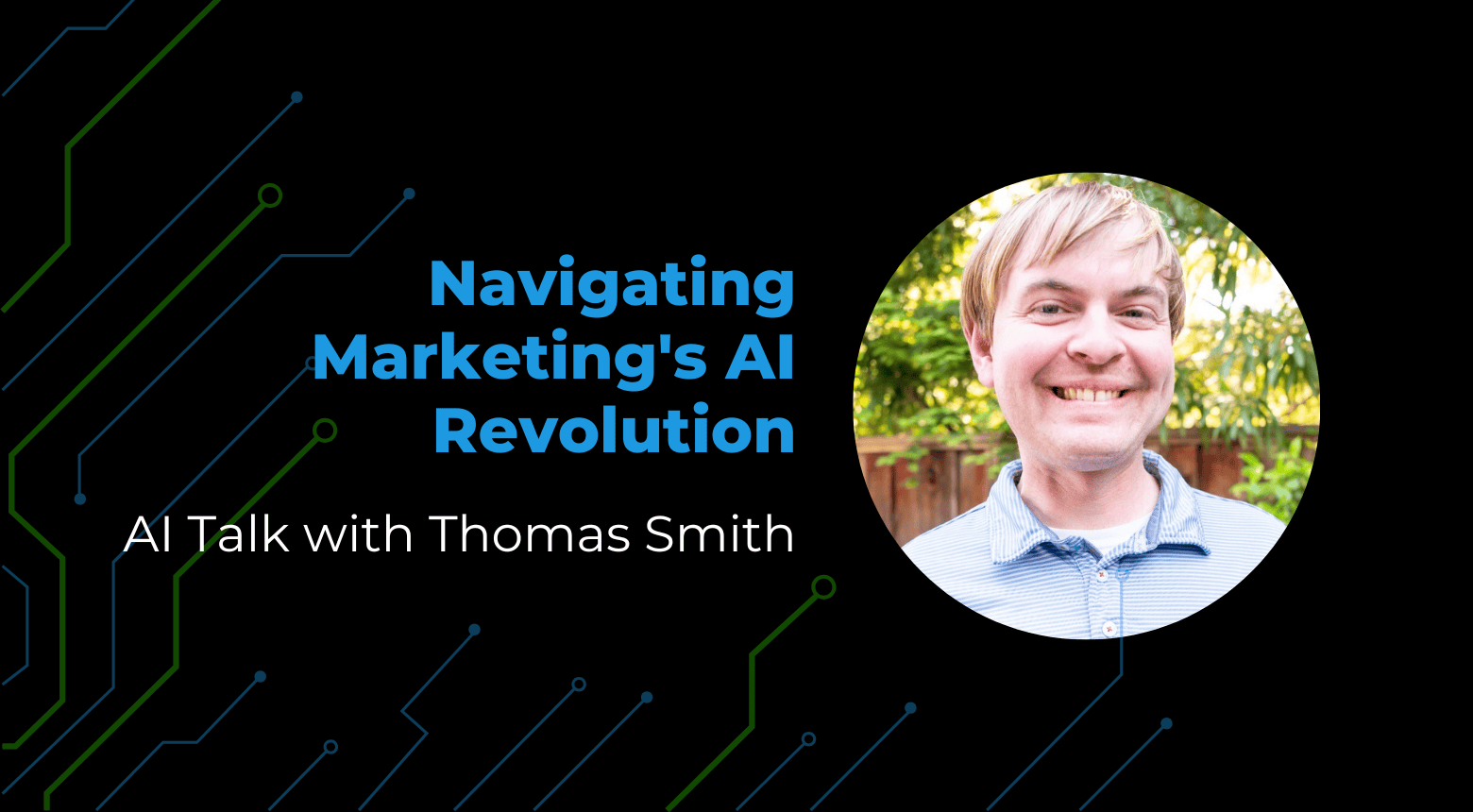
As we learned in our recent AI Talk with expert Thomas Smith, the AI landscape changes week to week. Thomas suggested practicing on a project you’re working on for yourself that’s lower risk – a side hustle or personal project. Both Tiffany and Laurence echoed this view by stressing the importance of making time to test new tools. Whether dedicating an afternoon to comparing platforms or tapping into online communities and peer groups, experimentation helps marketers stay sharp and uncover practical use cases.
5. The future is specialized and multimodal.
Looking ahead, our panelists predicted more enterprise-specific AI models trained on proprietary data, as well as multimodal systems that combine text, video, and calculation capabilities. Tiffany is especially excited about orchestrator-style assistants that can manage end-to-end tasks across tools. Laurence highlighted progress in video generation and the potential of hybrid AI models that combine the best of multiple approaches.
Final Thoughts
AI has moved from a curiosity to a core part of marketing workflows. The tools are accelerating creativity and efficiency, but the need for human expertise, originality, and judgment still reigns supreme. As Kim summed up, AI is changing how we brainstorm, prototype, and analyze data, often shrinking days of work into minutes, but the future will depend on how marketers wield these tools responsibly.
Watch the Recording
Missed the event? You can catch the full recording of this year’s session below:
If you get a chance to watch the replay, please give us your feedback!
Want to see where it all began? Revisit last year’s session, Unlocking AI’s Power: Practical Marketing Tips & Demos.
Editor’s Note: AI-assisted, human-reviewed blog.

Related
-

-
| Kevin Cranfill
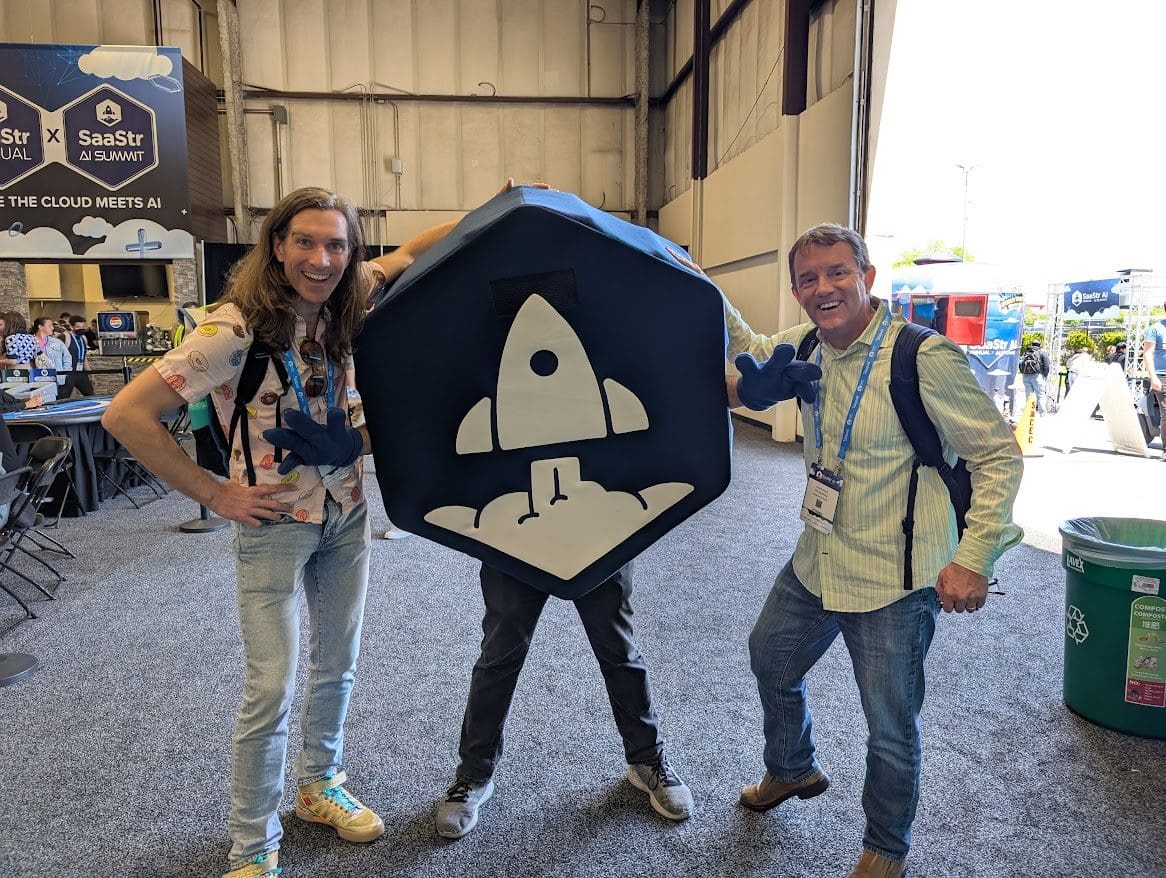
48 Hours at SaaStr Annual 2025
-
-
| Leilani Yau
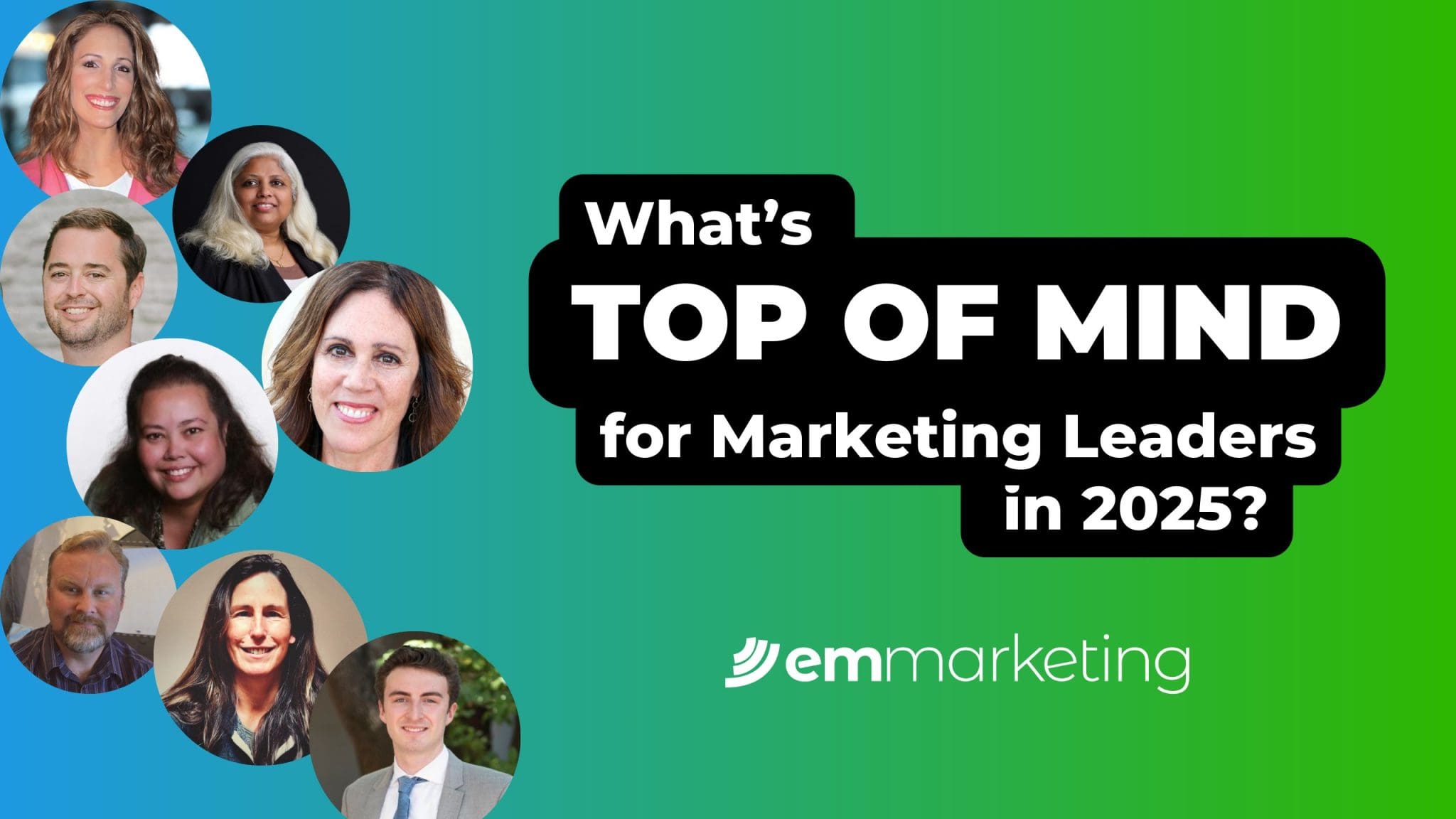
What’s Top of Mind for Marketing Leaders in 2025?
-
| Leilani Yau
How Marketing Leaders Can Navigate Today’s AI Landscape
-
| Katherine Gustafson
7 Tips for Using Consultants Strategically When Budgets Are Snug
-
| Katherine Gustafson
My First Layoff: Tales of Disappointment — And Relief
-
| Katherine Gustafson
How to Lay People off Compassionately
-
| Ken Chen
When In-Between: Practical Ways to Re-Engage
-
| Katherine Gustafson
How 5 Marketing Leaders Are Steering Their Teams in Turbulent Times
-
| Katherine Gustafson
UC Berkeley’s Dr. Sahar Yousef Tells Us How to Avoid Burnout
-
| Katherine Gustafson
Third Thursday Talks | Molly St. Louis, “3 Types of Content: Earned, Owned, and Branded”
-
| Katherine Gustafson
What does inflation mean for consulting wages?
-
| Mackenzie Hamilton
Third Thursday Talks | Kristen Matthews on Influencer Marketing
-
| Mackenzie Hamilton
Third Thursday Talks | Adam Duran, “Humble, Hungry, and Smart”
-
| Katherine Gustafson
How to Understand, Prevent, and Recover From Burnout, a Webinar with Keshawn Hughes
-
| Katherine Gustafson
Want Job Security? Here’s Why You Should Consider Freelancing
-
| Heather Forsythe
A Blueprint for the Remote-First Workplace
-
-
-
-
-
| Ken Chen
A Pivot in the Employment World
-
-
-
| Jocelyn Rasekhi
3 Powerful Perks of Becoming a Contractor
-