The AI Search Revolution: Key Takeaways from Thomas Smith on Generative Engine Optimization (GEO)


The world of digital visibility is undergoing a seismic shift. No longer is the coveted “ten blue links” at the top of a traditional Google search the only prize. Consumers are increasingly turning to AI tools like ChatGPT, Claude, and Gemini for direct, synthesized answers. The race to be cited by these “generative engines” has given rise to a new optimization discipline: Generative Engine Optimization (GEO).
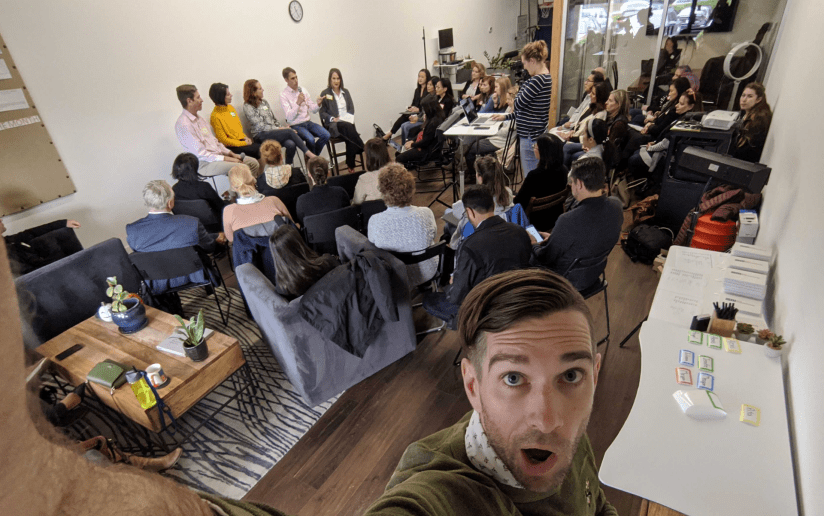
In a recent live taping of the “Who Moved My Marketing?” podcast, AI and marketing expert Thomas Smith broke down this transition and unveiled his essential framework for adapting to the LLM search space.
Understanding the New Search Landscape: GEO vs. The Alphabet Soup
The core difference between traditional Search Engine Optimization (SEO) and the new world is the output. SEO focused on getting your link to rank high in a list. GEO focuses on getting your brand cited and recommended within a single, narrative-style AI-generated answer.
Smith clarified the emerging jargon:
- GEO (Generative Engine Optimization): The practice of optimizing content to be visible, cited, and recommended by generative AI platforms like ChatGPT and Claude.
- AEO (Answer Engine Optimization): A similar term, often used interchangeably with GEO, but sometimes referring more broadly to earning direct answers on any surface, including Google’s featured snippets.
- AIO (AI Optimization/AI Overviews): A strategy to ensure your content is used to construct Google’s AI Overviews—the AI-generated summary that appears at the top of many Google search results.
This transition isn’t just theoretical; it’s a fundamental change in consumer behavior. With referral traffic from chatbots up 357% year-over-year, consumers are increasingly turning to ChatGPT, Claude, and Gemini for product research and recommendations. This is already leading to an “AI Dark Funnel” where brands lose visibility into the early research phases of the customer journey.
The Three Pillars of Generative Engine Optimization
To win in the GEO landscape, Smith outlined three non-negotiable pillars:
Pillar 1: Technical Clarity
Generative engines crawl the web. If your technical foundation is flawed, they may ignore you or, worse, misrepresent your brand.
- Avoid Self-Sabotage: Early on, some companies blocked AI crawlers via their robots.txt file, fearing content theft. Today, this is a major barrier, as it blocks the very systems you need to cite you.
- Prioritize Structured Data (Schema): Large Language Models (LLMs) rely heavily on Schema—machine-readable data that describes your business, products, social profiles, and company history. Unlike traditional SEO, where Schema was helpful but not essential, in GEO, it is critical for providing clear, undeniable context about your brand.
Pillar 2: Consistent and Rich Content
LLMs are “pattern recognizers trained on human language,” meaning they are story-driven and surprisingly “gullible” to the narratives they read.
- Embrace the Narrative: Traditional SEO was often “writing for the algorithm” with keyword stuffing. GEO demands genuine, compelling storytelling. The story you tell about your brand, your products, and your people is what the LLM will repeat to its users.
- Focus on Consistency: LLMs struggle to link information if it uses varying terminology. Use consistent language for your brand name, product names, and key personnel across all your controlled platforms (website, social profiles, product pages).
- Go Long-Tail with Answers: Answer every possible question about your product and service on your own pages. Don’t be shy with comprehensive FAQ sections; this specific, detailed content allows the LLM to pull accurate, granular answers.
Pillar 3: Brand Authority and World Knowledge
AI models form an “opinion” of your brand based on what they read across the web, which they then integrate into their world knowledge.
- Build Reputation: The brand pillar is about establishing credibility. This is achieved through legitimate PR, mentions in industry directories, and consistent visibility across high-authority platforms.
- The World Knowledge Lag: While technical fixes can be seen quickly in live data, changing a model’s world knowledge is slow. Since training LLMs is expensive and only happens every few years, if an LLM forms a negative or non-relevant view of your brand early on, it could take years to correct. This is the argument for prioritizing GEO now, while the models are still in their infancy.
If an LLM forms a negative or non-relevant view of your brand early on, it could take years to correct. This is the argument for prioritizing GEO now, while the models are still in their infancy.
The Future: Paid GEO and Agentic AI
Smith highlighted two major coming changes:
- The Rise of Paid GEO: Google is already experimenting with paid additions to its AI Overviews. For example, a search for “how to sear a steak” could include a sponsored recommendation for a cast iron skillet. The key insight here is that the AI chooses the ad based on informational content on the product’s page (e.g., the skillet company wrote an article about searing steak), reinforcing the need for every product page to include a story, not just specs.
- Agentic AI: In the near future, AI systems will become “agents” that perform actions, like booking a flight or purchasing a product. In this scenario, the AI agent, not the human, becomes the customer, making it even more vital for brands to ensure their information is clear, consistent, and convincing to the machine.
The shift from the “ten blue links” to direct AI answers is an existential challenge for marketers. GEO is not just a new acronym. It’s a new philosophy centered on clarity, consistency, and a focus on human-quality storytelling that the new algorithms can genuinely understand. By addressing the Technical, Content, and Brand pillars now, marketers can secure their visibility in an AI-powered future.
Watch the full session:

Related
-
 | Mackenzie Hamilton
Zero to Launch: Building a Brand in 17 Days with Generative AI
-
-
-
| Leilani Yau
Facilitating with Flair: Meet Katie Morell
-
-
| Leilani Yau
How to Build AI into Your Marketing Workflows
-
-
-
-
| Leilani Yau
Championing Cultural Equity: Meet Leslie Fisher
-
-
| Leilani Yau
Blending Strategy and Creativity: Meet Todd Nelson
-
| Leilani Yau
Going and Growing Global: Meet Stephanie Peterson
-
-
| Leilani Yau
Savvy Storytelling: Meet Luchina Fisher
-
| Leilani Yau
Content with Consulting: Meet Moira Alexander
-
| Leilani Yau
Business Development for Consultants
-
| Leilani Yau
Living the Lifecycle: Meet Carole Strickland
-
| Leilani Yau
Primed for Amazon Marketing: Meet Yvonne Schmidt
-
| Katherine Gustafson
Demystifying Account-Based Marketing: What It Is and What It Means for You
-
| Katherine Gustafson
How Marketing Teams Survive and Thrive in 2023 [Webinar]
-
| Leilani Yau
Trending on Social Media: Meet Ali Čargonja
-
-
| Katherine Gustafson
Mitch Larson Talks Consulting, Marketing, and Client Relationships
-
| Leilani Yau
New Year, New Manager? Tips to Handle What’s Next
-
| Katherine Gustafson
Ty Wang Talks Sustainability and Trying New Things
-
| Katherine Gustafson
My First Layoff: Tales of Disappointment — And Relief
-
| Leilani Yau
Journalist Turned Product Marketer: Meet Andrew Albert
-
| Katherine Gustafson
Damon Sununtnasuk Talks Work-From-Anywhere and Marketing in the Crypto Space
-
| Leilani Yau
Putting People First: Meet Jackie Tran
-
| Katherine Gustafson
How 5 Marketing Leaders Are Steering Their Teams in Turbulent Times
-
| Leilani Yau
The Write Stuff: Meet Ken Grobe
-
| Katherine Gustafson
UC Berkeley’s Dr. Sahar Yousef Tells Us How to Avoid Burnout
-
| Katherine Gustafson
Third Thursday Talks | Molly St. Louis, “3 Types of Content: Earned, Owned, and Branded”
-
-
| Leilani Yau
Living an Eventful Life: Meet Monica Ortiz
-
| Leilani Yau
Focused and Fearless: Meet Liz Tobiason
-
| Mackenzie Hamilton
Third Thursday Talks | Kristen Matthews on Influencer Marketing
-
-
| Mackenzie Hamilton
Third Thursday Talks | Adam Duran, “Humble, Hungry, and Smart”
-
| Katherine Gustafson
How to Understand, Prevent, and Recover From Burnout, a Webinar with Keshawn Hughes
-
| Leilani Yau
Mover and Shaker: Meet Amelia Clay
-
| Leilani Yau
Link to Success: Meet Alex Cwalinski
-
| Leilani Yau
Marketing + Brain Power: Meet Keshawn Hughes
-
| Leilani Yau
Developing Deep Connections: Meet Sandeepa Nayak
-
| Leilani Yau
Diligent Digital Marketer: Meet Mollison Daniel
-
| Leilani Yau
Flexing A Marketing Lifestyle: Meet Laura Wilton
-
| Leilani Yau
True Marketing Maven: Meet Colleen Atherton
-
| Leilani Yau
Sold on Consulting: Meet Michael Macon
-
| Leilani Yau
Marketing and Making Music: Meet Mike Boxer
-
-
| Leilani Yau
Marketing with Purpose and Passion: Meet Ileana Street
-
| Leilani Yau
Maximizing Marketing Impact: Meet Cathy Won
-
| Leilani Yau
Embracing Entrepreneurship: Meet Tricia McKinney
-
| Leilani Yau
A Vocation of Voice and Video: Meet Bud Anderson
-
| Leilani Yau
Charting a Course in Consulting: Meet Michelle Harden
-
| Leilani Yau
Digital Marketer On The Rise: Meet Chris Stone
-
-
-
| Jessica Smith
How to Sustain Your Energy to Avoid or Recover from Burnout
-
-
| Leilani Yau
Driving Positive Social Impact: Meet Kelly Saturno
-
| Leilani Yau
Launching Products and Chasing Storms: Meet Jim Conley
-
-
| Leilani Yau
Bringing Brands to Life: Meet Kristine Duffy
-
| Leilani Yau
Designing a Rewarding Life: Meet Kyle Courtright
-
| Leilani Yau
Doing the Deep Dive Into Data: Meet Sam Fintz
-
-
-
-
| Leilani Yau
Growth Marketing and Analytics Wiz: Meet Mitch Larson
-
| Leilani Yau
Finding a Rewarding Balance: Meet Gretchen Harding
-
| Lynn Bruno
Consultant Confidential: Saying No and I Don’t Know
-
| Lynn Bruno
Consultant Confidential: How to Market Yourself
-
| Leilani Yau
Making Her Way With Words: Meet Arianna Dogil
-
-
| Leilani Yau
Freelancer By Design: Meet Lindsey Obermeier
-
-
| Leilani Yau
Jessica Smith: Raising the Bar and Lifting People Up
-
| Leilani Yau
Ruben van Engelenburg: Tenacious, Driven Problem Solver
-
| Leilani Yau
Ursula Daly: Bring on the Marketing Challenge
-
| Justin Liszanckie
Client Project: Website Redesign for Wurl
-
| Leilani Yau
Corrina Reff: Designing at Peak Performance
-
| Leilani Yau
Jocelyn Rasekhi: Bringing Marketing to Vivid Life
-
| Leilani Yau
Daniel Gehant: Helping Clients Shine Online
-
| Leilani Yau
Colleen McCarthy: Driven to Serve Clients and Community
-
| Leilani Yau
Lori Reddy: Project Precision, People Person
-
-
| Leilani Yau
Swati Gohri: Design Is Her Way of Life
-
| Kevin Cranfill
Pam Franklin: Going the Distance for Small Business
-
| Leilani Yau
Next-Gen Consultants: Meet Alexis Keenan
-
| Justin Liszanckie
Client Project: Best of Boroughs Ad Campaign Design for Neustar
-
| Kevin Cranfill
Patrick Lundbom: SUP Enthusiast, Big Picture Digital Marketer
-
| Leilani Yau
Summer Vacation Contest Winners
-
| Leilani Yau
Next-Gen Consultants: Meet Sawdie Fernandez-Singh
-
-
| Leilani Yau
Next-Gen Consultants: Meet Justin Liszanckie
-
| Leilani Yau
Next-Gen Consultants: Meet Lucy Frye
-
| Justin Liszanckie
Client Project: Website Redesign for SnapStrat
-
| Leilani Yau
Next-Gen Consultants: Meet Kendra Perry
-
| Justin Liszanckie
Client Project: Website Redesign for Precision Counts
-
-
| Leilani Yau
Community Day: A Chance to Meet, Mingle and Learn
-
| Justin Liszanckie
Client Project: Design Services for Intuit’s Firm of the Future
-
-
| Leilani Yau
Client Project: Illuminate Education Product Sheets
-
| Ken Chen
Community Matters
-
-
-
| Leilani Yau
EM Marketing Kicks Off 2017 Right
-
| Justin Liszanckie
Meet Kevin Cranfill: A Curious, Collaborative Creative with Content to Burn
-
| Justin Liszanckie
Meet Lisa Ramirez: A Versatile Marketer Focused on Results
-
| Justin Liszanckie
Meet Nancy Keith Kelly: A Strategic, Self-Starting, Team-Building Adventurer
-
-
| Justin Liszanckie
Meet Rachel Plasse: An Indispensable, Integrated Marketing Professional
-
| Justin Liszanckie
Meet Ali Ward: An Accomplished, Results-Oriented Marketer
-
| Justin Liszanckie
Meet Karen Howard: A Strategic Thinker With a Can-Do Attitude
-
| Justin Liszanckie
Meet Jane Markell: An Immersive Marketer Who Gets Results
-
| Justin Liszanckie
Meet Jim Herbold: A Passionate (and Successful) Go-To-Market Leader
-
| Justin Liszanckie
Meet Tara Verner: A Proficient Problem Solver
-
| Jessaline Tuason
EM Marketing Goes to TEDxSF
-
| Justin Liszanckie
Meet Karen Paluska: A Big Picture Marketing Strategist Who Executes
-
| Justin Liszanckie
Meet Wens Gerdyman: A Conceptual Product Manager & Thinker
-
| Justin Liszanckie
Meet Jen Roop: An Investigative Problem Solver
-
| Justin Liszanckie
Meet Tricia McKinney: A Creative, Driven, & Outside-the-Box Thinker
-
| Justin Liszanckie
Meet Gretchen Harding: An Analytical & Curious Navigator
-
| Justin Liszanckie
EM Marketing Lunch & Learn: A Resonant Afternoon
-
| Justin Liszanckie
Meet Jennifer Stansbury: A Collaborative & Results-Driven Communicator
-
| Justin Liszanckie
EM Marketing New Year's Party – Hope Your 2015 Is off to a Good Start!
-
| Justin Liszanckie
Meet Audrey Tracy: A Jill-of-All Trades
-
| Justin Liszanckie
Meet Ruta Jaks: A Detail-Oriented & Diverse Skill Set
-
| Ken Chen
What Does EM Stand For?