Going and Growing Global: Meet Stephanie Peterson



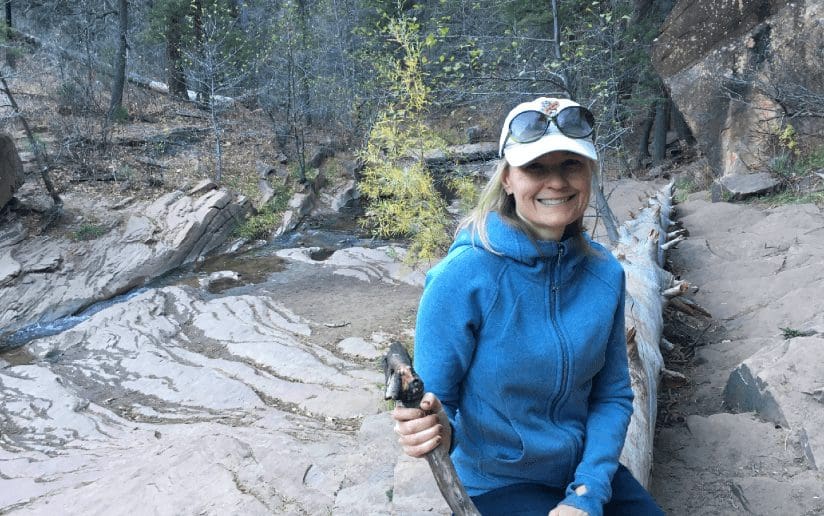
Stephanie Peterson has been working at the intersection of marketing and operations with a focus on globalization for over 25 years. With experience at successful startups and big brands including YouTube at Google and Xbox at Microsoft, she’s poised to leverage her expertise and collaborative network of consultants to help companies expand to international markets.
Tell us more about your marketing background.
My first role at a startup sparked an interest in international, a theme throughout my career. For many years, I worked at Microsoft as an international product manager, launching Xbox, Xbox 360, and Xbox Live globally, as well as dozens of first-party and PC games. It was very exciting to challenge the incumbent, Sony Playstation. Even at a large company like Microsoft, we had to be scrappy about how we grew globally in the beginning. We had to build the right partnerships and negotiate for retail shelf space. It was one of the best learning experiences.
Then I joined YouTube, shortly after Google acquired the business, to help expand internationally. Anybody could access youtube.com globally, but we had to localize the experience for different markets. It was as much of an exercise in user experience as it was marketing.
Since working at Google, I’ve been consulting for over 12 years. I’ve helped U.S. companies launch and grow internationally, but also those established overseas wanting to enter the U.S. market. And I’ve been working with EM Marketing for over 10 years on projects with Adobe, Facebook, GoDaddy, and several medium-sized businesses.
What are the top considerations for companies that want to launch internationally?
Going global is complex and takes time and commitment but the opportunity far outweighs the investment. Most mature businesses see 50%+ of their revenue come from outside the US. Those who expand to international markets early can establish a competitive beachhead and diversify their revenue streams.
“Going global is more than just marketing. It touches all parts of the business from product and engineering to operations to finance to legal.”
Building your international business is not an all-or-nothing effort; it requires due diligence upfront to fully understand the opportunity and challenges. A company needs to fully understand the competitive landscape and customer dynamics before investing. They also need to understand political, economic, or regulatory considerations. There are ways to test the waters before you make a full investment.
Usually, businesses are Series B or C when they start thinking about going international. It often starts organically. People overseas start hearing about what a company is doing and have an interest. That’s one way to know it’s time, but you can get ahead of it by doing research and being very surgical about how you want to approach international growth.
One big thing to consider is “transcreation” or “culturalization” because it goes beyond localizing words to the entire user journey. You’re customizing the whole experience – visuals, transcriptions, marketing materials, ads, websites, blogs, social media, and customer support.
Can you share examples of products you worked on that successfully grew their global presence? What factors came into play?
For Xbox, we had a very strong incumbent competitor and a number of international markets that were more PC games focused than console focused. There was a lot of complexity in manufacturing, logistics and meeting local regulatory requirements. And we had wide variability in pricing plus the challenge of piracy in some countries. Localization was also complex because some games had audio and voice talent which was more expensive to localize than text. So we had to have a very clear business case for each game in each international market to be sure we weren’t over or under investing.
When I worked at YouTube, we were expanding rapidly into new markets. One of the early issues was that although the website was localized, the video content on the home page was optimized for a US audience. So that left someone in France, for example, able to navigate the site and search in French but the default videos they were seeing when they first hit the site, were very American. We quickly made adjustments but it was a challenge in the beginning. I went back to YouTube as a consultant years later when they were building their subscription-based businesses to look at how they should best support customers in a handful of emerging markets. Expectations around customer support channels, support hours, and service level differ greatly country to country.
I’ve launched kid and teen focused products globally, and every country has different regulations about how you can market to children. Even within the EU, member countries have different rules and regulations about what personal information you can collect from minors and how you can use it. So it’s very important to understand the regulatory and political issues that might impact your international business.
What’s next for you?
“Positioning your brand overseas can be different market to market. It really depends on the competitive landscape and local market dynamics. Even two countries right next door to each other can be very different.”
I’ve spent the past few months studying AI at Kellogg and learning how to use many of the commercial AI tools like Chat GPT, Perplexity, Claude and others. As part of this I’ve been experimenting with ways to incorporate this into my consulting practice and how to help my clients become more efficient with their international business using AI.

Related
-

-
-
-
-
-
-
| Leilani Yau
What Does Brand Authenticity Mean in 2026?
-
| Leilani Yau
Navigating Today’s Job Search with AI
-
| Charlie Mock
Reigniting Growth in 2026
-
| Oona Linde
EM Campfire Conversations: Marketing Trends for 2026
-
| Ken Chen
EM Marketing Announces New CEO: Charlie Mock
-
-
| Mackenzie Hamilton
Zero to Launch: Building a Brand in 17 Days with Generative AI
-
-
-
| Leilani Yau
Facilitating with Flair: Meet Katie Morell
-
-
| Leilani Yau
How to Build AI into Your Marketing Workflows
-
-
-
-
-
| Leilani Yau
Championing Cultural Equity: Meet Leslie Fisher
-
-
| Leilani Yau
Blending Strategy and Creativity: Meet Todd Nelson
-
-
| Kevin Cranfill
The Key to Raising Your Brand Storytelling Game
-
-
-
| Leilani Yau
Savvy Storytelling: Meet Luchina Fisher
-
| Leilani Yau
Content with Consulting: Meet Moira Alexander
-
| Leilani Yau
Business Development for Consultants
-
| Leilani Yau
Living the Lifecycle: Meet Carole Strickland
-
| Leilani Yau
Primed for Amazon Marketing: Meet Yvonne Schmidt
-
| Katherine Gustafson
Demystifying Account-Based Marketing: What It Is and What It Means for You
-
| Katherine Gustafson
How Marketing Teams Survive and Thrive in 2023 [Webinar]
-
| Leilani Yau
Trending on Social Media: Meet Ali Čargonja
-
-
| Katherine Gustafson
Mitch Larson Talks Consulting, Marketing, and Client Relationships
-
| Leilani Yau
New Year, New Manager? Tips to Handle What’s Next
-
| Katherine Gustafson
Ty Wang Talks Sustainability and Trying New Things
-
| Katherine Gustafson
My First Layoff: Tales of Disappointment — And Relief
-
| Leilani Yau
Journalist Turned Product Marketer: Meet Andrew Albert
-
| Katherine Gustafson
Damon Sununtnasuk Talks Work-From-Anywhere and Marketing in the Crypto Space
-
| Leilani Yau
Putting People First: Meet Jackie Tran
-
| Katherine Gustafson
How 5 Marketing Leaders Are Steering Their Teams in Turbulent Times
-
| Leilani Yau
The Write Stuff: Meet Ken Grobe
-
| Katherine Gustafson
UC Berkeley’s Dr. Sahar Yousef Tells Us How to Avoid Burnout
-
| Katherine Gustafson
Third Thursday Talks | Molly St. Louis, “3 Types of Content: Earned, Owned, and Branded”
-
-
| Leilani Yau
Living an Eventful Life: Meet Monica Ortiz
-
| Leilani Yau
Focused and Fearless: Meet Liz Tobiason
-
| Mackenzie Hamilton
Third Thursday Talks | Kristen Matthews on Influencer Marketing
-
-
| Mackenzie Hamilton
Third Thursday Talks | Adam Duran, “Humble, Hungry, and Smart”
-
| Katherine Gustafson
How to Understand, Prevent, and Recover From Burnout, a Webinar with Keshawn Hughes
-
| Leilani Yau
Mover and Shaker: Meet Amelia Clay
-
| Leilani Yau
Link to Success: Meet Alex Cwalinski
-
| Leilani Yau
Marketing + Brain Power: Meet Keshawn Hughes
-
| Leilani Yau
Developing Deep Connections: Meet Sandeepa Nayak
-
| Leilani Yau
Diligent Digital Marketer: Meet Mollison Daniel
-
| Leilani Yau
Flexing A Marketing Lifestyle: Meet Laura Wilton
-
| Leilani Yau
True Marketing Maven: Meet Colleen Atherton
-
| Leilani Yau
Sold on Consulting: Meet Michael Macon
-
| Leilani Yau
Marketing and Making Music: Meet Mike Boxer
-
-
| Leilani Yau
Marketing with Purpose and Passion: Meet Ileana Street
-
| Leilani Yau
Maximizing Marketing Impact: Meet Cathy Won
-
| Leilani Yau
Embracing Entrepreneurship: Meet Tricia McKinney
-
| Leilani Yau
A Vocation of Voice and Video: Meet Bud Anderson
-
| Leilani Yau
Charting a Course in Consulting: Meet Michelle Harden
-
-
| Leilani Yau
Digital Marketer On The Rise: Meet Chris Stone
-
-
| Mary Gilbert
Why It’s Time For a New Marketing Paradigm
-
-
| Jessica Smith
How to Sustain Your Energy to Avoid or Recover from Burnout
-
-
| Leilani Yau
Driving Positive Social Impact: Meet Kelly Saturno
-
| Leilani Yau
Launching Products and Chasing Storms: Meet Jim Conley
-
| Melanie Asher, MBA
What Marketers Need to Know about the Future of Brands Post-Pandemic
-
-
| Leilani Yau
Bringing Brands to Life: Meet Kristine Duffy
-
| Annabelle Bayhan
Not Business as Usual: Messaging in the New World
-
| Leilani Yau
Designing a Rewarding Life: Meet Kyle Courtright
-
| Leilani Yau
Doing the Deep Dive Into Data: Meet Sam Fintz
-
-
-
-
| Leilani Yau
Growth Marketing and Analytics Wiz: Meet Mitch Larson
-
| Molly Tapias
7 Points When You Need New Positioning and Messaging
-
| Leilani Yau
Finding a Rewarding Balance: Meet Gretchen Harding
-
| Lynn Bruno
Consultant Confidential: Saying No and I Don’t Know
-
| Lynn Bruno
Consultant Confidential: How to Market Yourself
-
| Leilani Yau
Making Her Way With Words: Meet Arianna Dogil
-
-
| Leilani Yau
Freelancer By Design: Meet Lindsey Obermeier
-
-
| Leilani Yau
Jessica Smith: Raising the Bar and Lifting People Up
-
| Leilani Yau
Ruben van Engelenburg: Tenacious, Driven Problem Solver
-
| Leilani Yau
Ursula Daly: Bring on the Marketing Challenge
-
| Justin Liszanckie
Client Project: Website Redesign for Wurl
-
| Leilani Yau
Corrina Reff: Designing at Peak Performance
-
| Leilani Yau
Jocelyn Rasekhi: Bringing Marketing to Vivid Life
-
| Leilani Yau
Daniel Gehant: Helping Clients Shine Online
-
| Kevin Cranfill
Kaepernick v. Marketing — Game Changer or Bad for Business?
-
| Leilani Yau
Colleen McCarthy: Driven to Serve Clients and Community
-
| Leilani Yau
Lori Reddy: Project Precision, People Person
-
-
| Leilani Yau
Swati Gohri: Design Is Her Way of Life
-
| Suzy DeLine
Why Habitat for Humanity Took Up Cycling
-
| Kevin Cranfill
Pam Franklin: Going the Distance for Small Business
-
| Leilani Yau
Next-Gen Consultants: Meet Alexis Keenan
-
| Justin Liszanckie
Client Project: Best of Boroughs Ad Campaign Design for Neustar
-
| Kevin Cranfill
Patrick Lundbom: SUP Enthusiast, Big Picture Digital Marketer
-
| Leilani Yau
Summer Vacation Contest Winners
-
| Leilani Yau
Next-Gen Consultants: Meet Sawdie Fernandez-Singh
-
-
| Leilani Yau
Next-Gen Consultants: Meet Justin Liszanckie
-
| Leilani Yau
Next-Gen Consultants: Meet Lucy Frye
-
| Justin Liszanckie
Client Project: Website Redesign for SnapStrat
-
| Leilani Yau
Next-Gen Consultants: Meet Kendra Perry
-
| Justin Liszanckie
Client Project: Website Redesign for Precision Counts
-
-
| Leilani Yau
Community Day: A Chance to Meet, Mingle and Learn
-
| Leilani Yau
How 3 Tech Companies Do Social Good
-
| Justin Liszanckie
Client Project: Design Services for Intuit’s Firm of the Future
-
-
| Leilani Yau
Client Project: Illuminate Education Product Sheets
-
| Ken Chen
Community Matters
-
-
-
-
| Leilani Yau
EM Marketing Kicks Off 2017 Right
-
| Justin Liszanckie
Meet Kevin Cranfill: A Curious, Collaborative Creative with Content to Burn
-
| Justin Liszanckie
Meet Lisa Ramirez: A Versatile Marketer Focused on Results
-
| Justin Liszanckie
Meet Nancy Keith Kelly: A Strategic, Self-Starting, Team-Building Adventurer
-
-
| Justin Liszanckie
Meet Rachel Plasse: An Indispensable, Integrated Marketing Professional
-
| Justin Liszanckie
Meet Ali Ward: An Accomplished, Results-Oriented Marketer
-
| Justin Liszanckie
Meet Karen Howard: A Strategic Thinker With a Can-Do Attitude
-
| Ryan Rigoli
Head-to-Head: SurveyMonkey vs. Google Consumer Surveys
-
| Justin Liszanckie
Meet Jane Markell: An Immersive Marketer Who Gets Results
-
| Justin Liszanckie
Meet Jim Herbold: A Passionate (and Successful) Go-To-Market Leader
-
| Justin Liszanckie
Meet Tara Verner: A Proficient Problem Solver
-
| Jessaline Tuason
EM Marketing Goes to TEDxSF
-
| Justin Liszanckie
Meet Karen Paluska: A Big Picture Marketing Strategist Who Executes
-
| Justin Liszanckie
Meet Wens Gerdyman: A Conceptual Product Manager & Thinker
-
| Justin Liszanckie
Meet Jen Roop: An Investigative Problem Solver
-
| Justin Liszanckie
Meet Tricia McKinney: A Creative, Driven, & Outside-the-Box Thinker
-
| Justin Liszanckie
Meet Gretchen Harding: An Analytical & Curious Navigator
-
| Justin Liszanckie
EM Marketing Lunch & Learn: A Resonant Afternoon
-
| Justin Liszanckie
Meet Jennifer Stansbury: A Collaborative & Results-Driven Communicator
-
| Justin Liszanckie
EM Marketing New Year's Party – Hope Your 2015 Is off to a Good Start!
-
| Justin Liszanckie
Meet Audrey Tracy: A Jill-of-All Trades
-
| Justin Liszanckie
Meet Ruta Jaks: A Detail-Oriented & Diverse Skill Set
-
-
| Ken Chen
What Does EM Stand For?