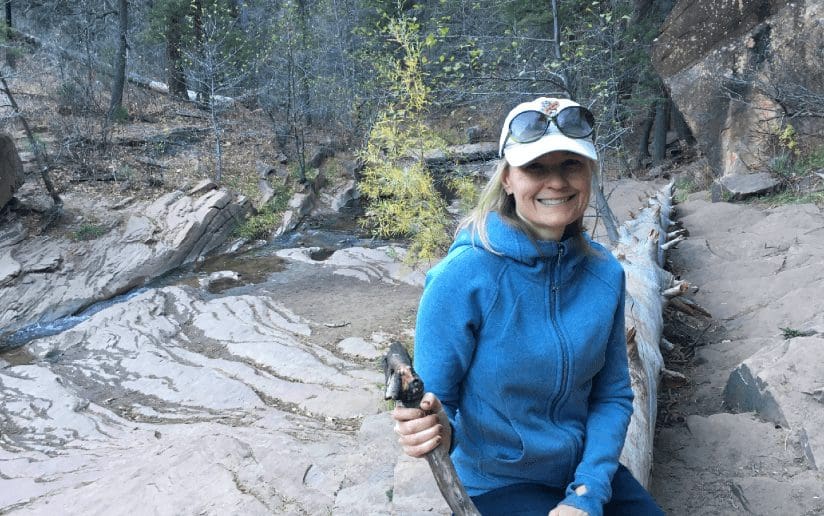
Championing Cultural Equity: Meet Leslie Fisher


For 15 years, Leslie Fisher has been an independent consultant, both in the U.S. and abroad, with a focus on program management, change management, and marketing. Throughout her career, she has supported organizations that serve underserved communities, including women and girls, the LGBTQ+ community, and Black-owned startups.
Tell us about what you’re working on today.
In recent years, I’ve been able to merge my consulting expertise with my passion for community service. My last few gigs have been incredibly soul-fulfilling. One highlight was working with a Black female entrepreneur who developed an AI product that predicts health events, based on her own personal experience — definitely one of the high points of my career.
Today, I’m continuing to leverage my professional skills for meaningful impact. I’m a member at large of the Governance Committee for the Association of Junior Leagues International, starting work with the Community Foundation for Southern New Mexico (one of the largest foundations in the area), and collaborating with the Association of American University Women supporting women and girls in education.
Your website states, “Cultural Equity Creates Better Companies and Communities.” Why do you think diversity still matters in the workplace?
Despite the current administration eliminating DEI programs in the federal government, it’s still very important because of the changing demographic of the world. There’s a study that says, in 2045, it’s expected that the white population will actually be a minority at that time. Organizations have to keep that in mind, as they’re thinking about consumers, employees, and how to do their marketing. There’s also a cross pollination of ideas that social media has helped to perpetuate.
One of my projects through EM involved branding for a media company, owned by a Black gentleman, that was expanding and wanted to continue to be diverse. I love that they were looking at a mashup of cultures between African American and Japanese for their logo. On TikTok, you see things like people in India dancing to hip hop music. Whether we want to acknowledge it or not, our society is becoming a smaller, yet global world.
With the current political landscape, companies may feel pressure to abandon their DEI commitments. Do you believe companies previously only embraced DEI for PR purposes?
This is definitely a timely and big issue right now. I do think there was a part of DEI program launches that was performative. For companies that find DEI easy to cut, it tells me a couple of things. One, there may be a fear-based reaction to the executive orders from the current administration. Or two, it was never really entrenched in their strategic plans, goals, policies, or operations. For those companies that have DEI ingrained in the DNA of how it functions, they may change the name from “DEI” or “DEIB” to things like “cultural equity” or “cultural environment.”
They may be taking statements off their website and changing what they say publicly, so it’s more ambiguous. But companies are also sticking to their plans and saying that DEI is good for business. It’s been proven – both McKinsey and Deloitte have put out studies saying that companies that value diversity are performing better. I think the bottom line is gonna drive a lot of this.
How can companies continue to provide cultural equity with these external pressures?
One shift I’ve noticed in DEIB work is that organizations are moving away from asking staff to do this work as a side hustle without recognition or compensation. Instead, they’re including it as part of employee goals and measuring it. Organizations making inclusion an integral part of how employees are evaluated will continue with DEIB initiatives and create more satisfying workplaces because employees get recognized for their contributions.
One of my favorite people, Netta Jenkins, who has this wonderful product that measures employee DEIB efforts, recently published an article saying that employees are leaving companies that don’t recognize their work and going to organizations that do. Nobody wants to do important work without recognition or compensation. Those times have passed — it’s time to reward people for the work.
You helped EM Marketing put diversity practices in place. What kinds of things did you and EM implement?
In 2020, following George Floyd’s death, I pivoted to consulting work around diversity, equity, inclusion, and belonging. I reached out to Ken Chen, one of EM Marketing’s founders, and discovered we were serendipitously thinking about these issues at the same time. EM was my first DEIB client. It was a pure joy to work with them, and I feel very blessed to have done it.
What gives me hope is the fact that our world population is becoming more diverse with cultures cross-pollinating globally. Companies that don’t recognize this will be less competitive — that’s just the bottom line.
We focused on three main areas: diversity and representation, inclusion and engagement, and equity/fairness. The equity work was particularly impactful because I felt like it did double duty. We examined recruitment practices and for some of EM’s clients, removed elements from resumes and bios that might trigger gender or ethnic bias in the early stages.
This approach not only helped change client behavior but also created opportunities for EM’s consultants and could attract diverse talent. The practices we implemented received positive feedback from clients. I think EM could do even more to advertise this to attract clients looking for support around diversity and inclusion, as well as a diverse set of consultants.
What gives you hope and inspiration during these uncertain times?
What gives me hope is the fact that our world population is becoming more diverse with cultures cross-pollinating globally. Companies that don’t recognize this will be less competitive — that’s just the bottom line.
Gen Z, the next workforce generation, is looking for organizations that are inclusive at all levels, and they’ll go elsewhere if they don’t find it. A recent article from Resume.org surveyed organizations and found that 65% are continuing with DEIB initiatives and 22% plan to increase their spending on it. That gives me hope that over half of these organizations plan to move forward with DEIB regardless of what you’re hearing in the headlines.
As I posted on LinkedIn, the train has left the station. Our population is changing and our world is getting smaller. If companies aren’t on board already, they’ll be left behind, similar to what’s happening with AI.
In moments when I’m feeling low, I focus on what I’m doing to move the needle and create positive change. My work with women and girls is incredibly important, especially considering how they’ve been impacted in our current political environment. Do what you can to move that needle.

Related
-

-
-
-
-
-
| Leilani Yau
Navigating Today’s Job Search with AI
-
| Charlie Mock
Reigniting Growth in 2026
-
| Oona Linde
EM Campfire Conversations: Marketing Trends for 2026
-
| Ken Chen
EM Marketing Announces New CEO: Charlie Mock
-
-
| Mackenzie Hamilton
Zero to Launch: Building a Brand in 17 Days with Generative AI
-
-
-
| Leilani Yau
Facilitating with Flair: Meet Katie Morell
-
-
| Leilani Yau
How to Build AI into Your Marketing Workflows
-
-
-
-
-
| Leilani Yau
Blending Strategy and Creativity: Meet Todd Nelson
-
| Leilani Yau
Going and Growing Global: Meet Stephanie Peterson
-
-
| Leilani Yau
Savvy Storytelling: Meet Luchina Fisher
-
| Leilani Yau
Content with Consulting: Meet Moira Alexander
-
| Leilani Yau
Business Development for Consultants
-
| Leilani Yau
Living the Lifecycle: Meet Carole Strickland
-
| Leilani Yau
Primed for Amazon Marketing: Meet Yvonne Schmidt
-
| Katherine Gustafson
Demystifying Account-Based Marketing: What It Is and What It Means for You
-
| Katherine Gustafson
How Marketing Teams Survive and Thrive in 2023 [Webinar]
-
| Leilani Yau
Trending on Social Media: Meet Ali Čargonja
-
-
| Katherine Gustafson
Mitch Larson Talks Consulting, Marketing, and Client Relationships
-
| Leilani Yau
New Year, New Manager? Tips to Handle What’s Next
-
| Katherine Gustafson
Ty Wang Talks Sustainability and Trying New Things
-
| Katherine Gustafson
My First Layoff: Tales of Disappointment — And Relief
-
| Leilani Yau
Journalist Turned Product Marketer: Meet Andrew Albert
-
| Katherine Gustafson
Damon Sununtnasuk Talks Work-From-Anywhere and Marketing in the Crypto Space
-
| Leilani Yau
Putting People First: Meet Jackie Tran
-
| Katherine Gustafson
How 5 Marketing Leaders Are Steering Their Teams in Turbulent Times
-
| Leilani Yau
The Write Stuff: Meet Ken Grobe
-
| Katherine Gustafson
UC Berkeley’s Dr. Sahar Yousef Tells Us How to Avoid Burnout
-
| Katherine Gustafson
Third Thursday Talks | Molly St. Louis, “3 Types of Content: Earned, Owned, and Branded”
-
-
| Leilani Yau
Living an Eventful Life: Meet Monica Ortiz
-
| Leilani Yau
Focused and Fearless: Meet Liz Tobiason
-
| Mackenzie Hamilton
Third Thursday Talks | Kristen Matthews on Influencer Marketing
-
-
| Mackenzie Hamilton
Third Thursday Talks | Adam Duran, “Humble, Hungry, and Smart”
-
| Katherine Gustafson
How to Understand, Prevent, and Recover From Burnout, a Webinar with Keshawn Hughes
-
| Leilani Yau
Mover and Shaker: Meet Amelia Clay
-
| Leilani Yau
Link to Success: Meet Alex Cwalinski
-
| Leilani Yau
Marketing + Brain Power: Meet Keshawn Hughes
-
| Leilani Yau
Developing Deep Connections: Meet Sandeepa Nayak
-
| Leilani Yau
Diligent Digital Marketer: Meet Mollison Daniel
-
| Leilani Yau
Flexing A Marketing Lifestyle: Meet Laura Wilton
-
| Leilani Yau
True Marketing Maven: Meet Colleen Atherton
-
| Leilani Yau
Sold on Consulting: Meet Michael Macon
-
| Leilani Yau
Marketing and Making Music: Meet Mike Boxer
-
-
| Leilani Yau
Marketing with Purpose and Passion: Meet Ileana Street
-
| Leilani Yau
Maximizing Marketing Impact: Meet Cathy Won
-
| Leilani Yau
Embracing Entrepreneurship: Meet Tricia McKinney
-
| Leilani Yau
A Vocation of Voice and Video: Meet Bud Anderson
-
| Leilani Yau
Charting a Course in Consulting: Meet Michelle Harden
-
| Leilani Yau
Digital Marketer On The Rise: Meet Chris Stone
-
-
-
| Jessica Smith
How to Sustain Your Energy to Avoid or Recover from Burnout
-
-
| Leilani Yau
Driving Positive Social Impact: Meet Kelly Saturno
-
| Leilani Yau
Launching Products and Chasing Storms: Meet Jim Conley
-
-
| Leilani Yau
Bringing Brands to Life: Meet Kristine Duffy
-
| Leilani Yau
Designing a Rewarding Life: Meet Kyle Courtright
-
| Leilani Yau
Doing the Deep Dive Into Data: Meet Sam Fintz
-
-
-
-
| Leilani Yau
Growth Marketing and Analytics Wiz: Meet Mitch Larson
-
| Leilani Yau
Finding a Rewarding Balance: Meet Gretchen Harding
-
| Lynn Bruno
Consultant Confidential: Saying No and I Don’t Know
-
| Lynn Bruno
Consultant Confidential: How to Market Yourself
-
| Leilani Yau
Making Her Way With Words: Meet Arianna Dogil
-
-
| Leilani Yau
Freelancer By Design: Meet Lindsey Obermeier
-
-
| Leilani Yau
Jessica Smith: Raising the Bar and Lifting People Up
-
| Leilani Yau
Ruben van Engelenburg: Tenacious, Driven Problem Solver
-
| Leilani Yau
Ursula Daly: Bring on the Marketing Challenge
-
| Justin Liszanckie
Client Project: Website Redesign for Wurl
-
| Leilani Yau
Corrina Reff: Designing at Peak Performance
-
| Leilani Yau
Jocelyn Rasekhi: Bringing Marketing to Vivid Life
-
| Leilani Yau
Daniel Gehant: Helping Clients Shine Online
-
| Leilani Yau
Colleen McCarthy: Driven to Serve Clients and Community
-
| Leilani Yau
Lori Reddy: Project Precision, People Person
-
-
| Leilani Yau
Swati Gohri: Design Is Her Way of Life
-
| Kevin Cranfill
Pam Franklin: Going the Distance for Small Business
-
| Leilani Yau
Next-Gen Consultants: Meet Alexis Keenan
-
| Justin Liszanckie
Client Project: Best of Boroughs Ad Campaign Design for Neustar
-
| Kevin Cranfill
Patrick Lundbom: SUP Enthusiast, Big Picture Digital Marketer
-
| Leilani Yau
Summer Vacation Contest Winners
-
| Leilani Yau
Next-Gen Consultants: Meet Sawdie Fernandez-Singh
-
-
| Leilani Yau
Next-Gen Consultants: Meet Justin Liszanckie
-
| Leilani Yau
Next-Gen Consultants: Meet Lucy Frye
-
| Justin Liszanckie
Client Project: Website Redesign for SnapStrat
-
| Leilani Yau
Next-Gen Consultants: Meet Kendra Perry
-
| Justin Liszanckie
Client Project: Website Redesign for Precision Counts
-
-
| Leilani Yau
Community Day: A Chance to Meet, Mingle and Learn
-
| Justin Liszanckie
Client Project: Design Services for Intuit’s Firm of the Future
-
-
| Leilani Yau
Client Project: Illuminate Education Product Sheets
-
| Ken Chen
Community Matters
-
-
-
| Leilani Yau
EM Marketing Kicks Off 2017 Right
-
| Justin Liszanckie
Meet Kevin Cranfill: A Curious, Collaborative Creative with Content to Burn
-
| Justin Liszanckie
Meet Lisa Ramirez: A Versatile Marketer Focused on Results
-
| Justin Liszanckie
Meet Nancy Keith Kelly: A Strategic, Self-Starting, Team-Building Adventurer
-
-
| Justin Liszanckie
Meet Rachel Plasse: An Indispensable, Integrated Marketing Professional
-
| Justin Liszanckie
Meet Ali Ward: An Accomplished, Results-Oriented Marketer
-
| Justin Liszanckie
Meet Karen Howard: A Strategic Thinker With a Can-Do Attitude
-
| Justin Liszanckie
Meet Jane Markell: An Immersive Marketer Who Gets Results
-
| Justin Liszanckie
Meet Jim Herbold: A Passionate (and Successful) Go-To-Market Leader
-
| Justin Liszanckie
Meet Tara Verner: A Proficient Problem Solver
-
| Jessaline Tuason
EM Marketing Goes to TEDxSF
-
| Justin Liszanckie
Meet Karen Paluska: A Big Picture Marketing Strategist Who Executes
-
| Justin Liszanckie
Meet Wens Gerdyman: A Conceptual Product Manager & Thinker
-
| Justin Liszanckie
Meet Jen Roop: An Investigative Problem Solver
-
| Justin Liszanckie
Meet Tricia McKinney: A Creative, Driven, & Outside-the-Box Thinker
-
| Justin Liszanckie
Meet Gretchen Harding: An Analytical & Curious Navigator
-
| Justin Liszanckie
EM Marketing Lunch & Learn: A Resonant Afternoon
-
| Justin Liszanckie
Meet Jennifer Stansbury: A Collaborative & Results-Driven Communicator
-
| Justin Liszanckie
EM Marketing New Year's Party – Hope Your 2015 Is off to a Good Start!
-
| Justin Liszanckie
Meet Audrey Tracy: A Jill-of-All Trades
-
| Justin Liszanckie
Meet Ruta Jaks: A Detail-Oriented & Diverse Skill Set
-
| Ken Chen
What Does EM Stand For?