EM Campfire Conversations: Marketing Trends for 2026


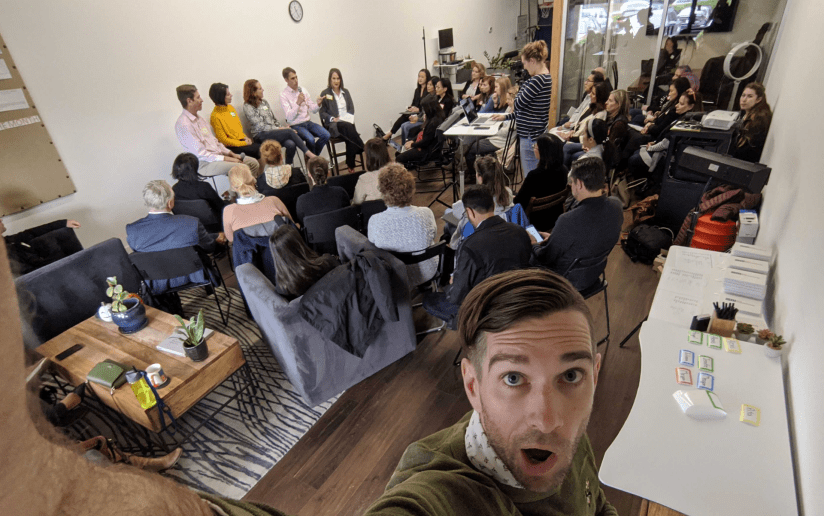
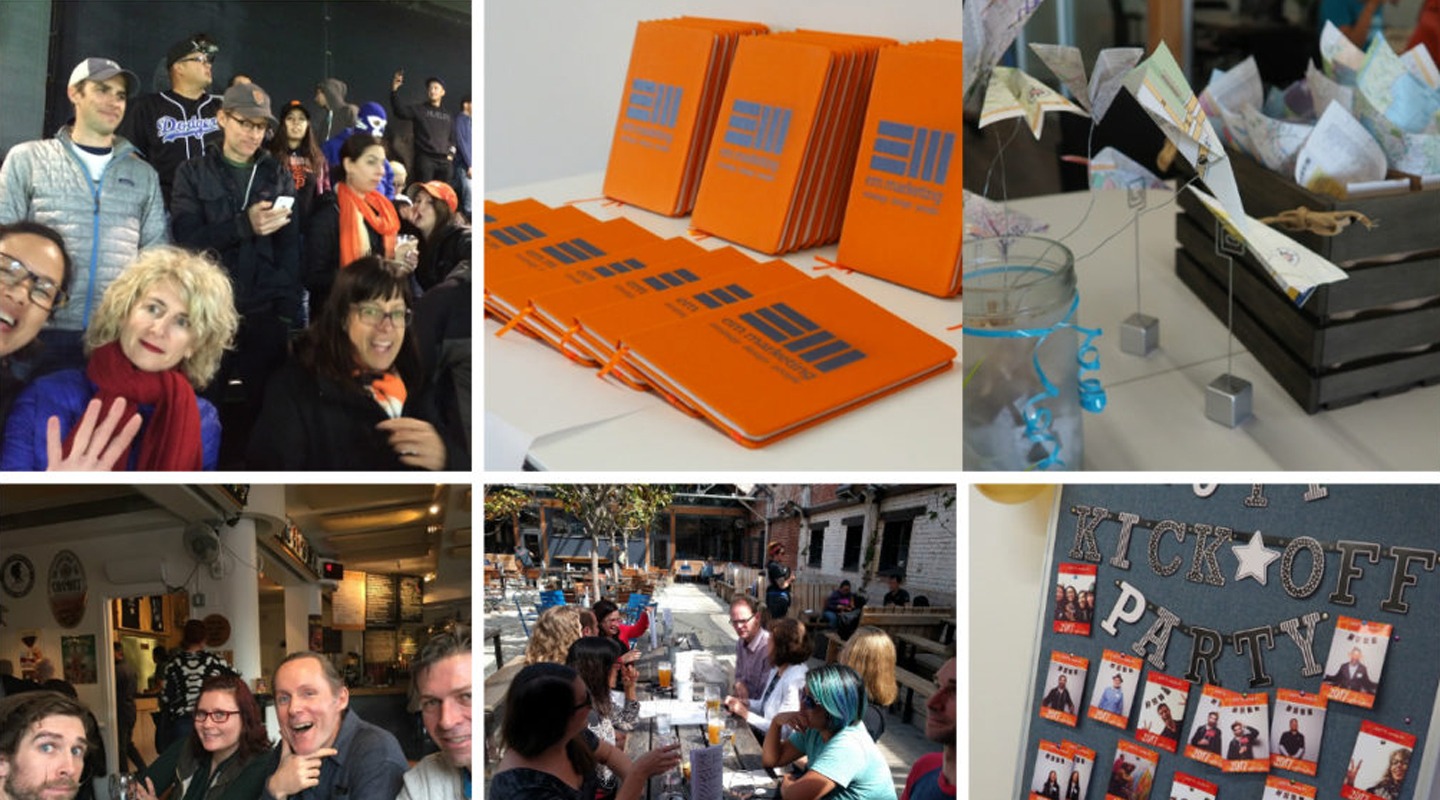
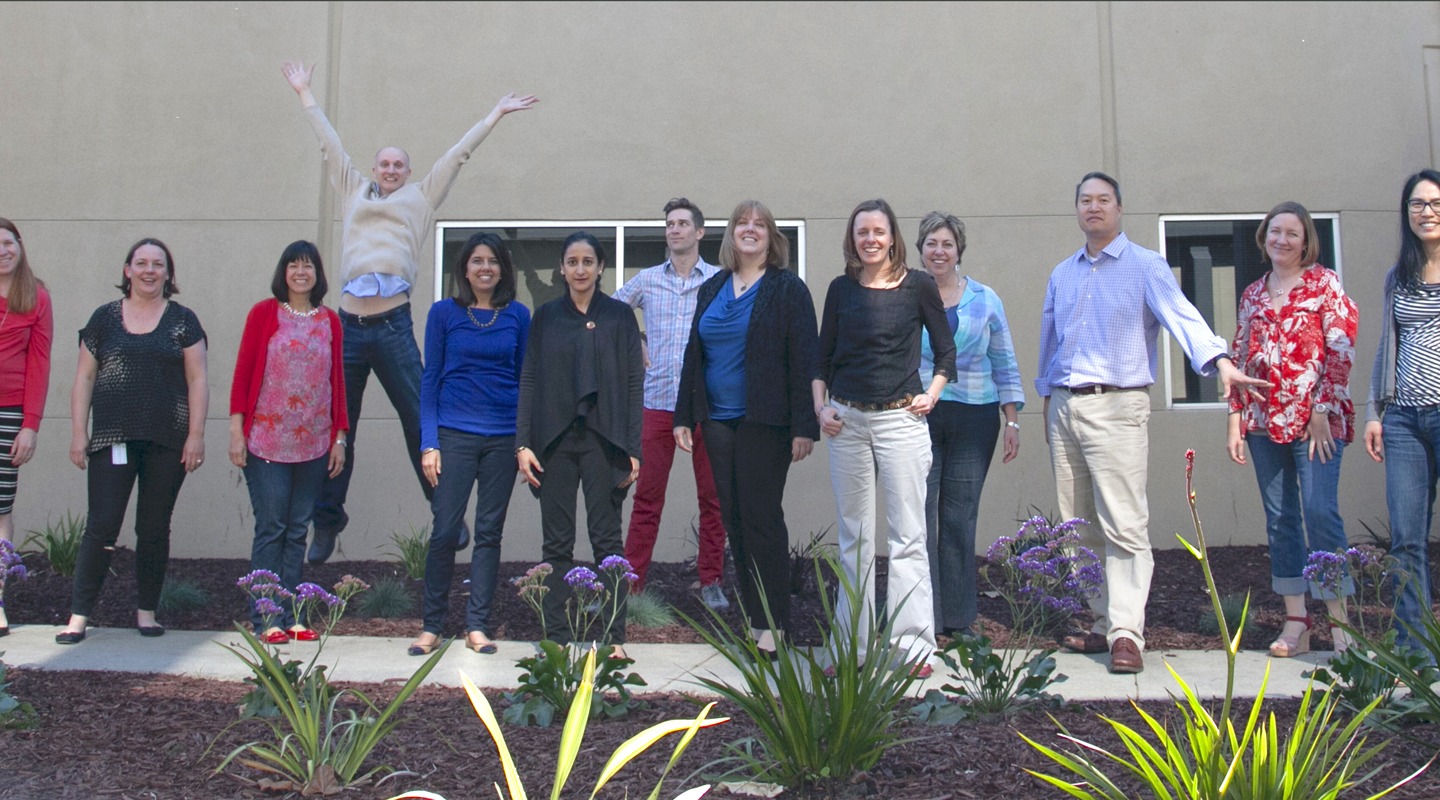
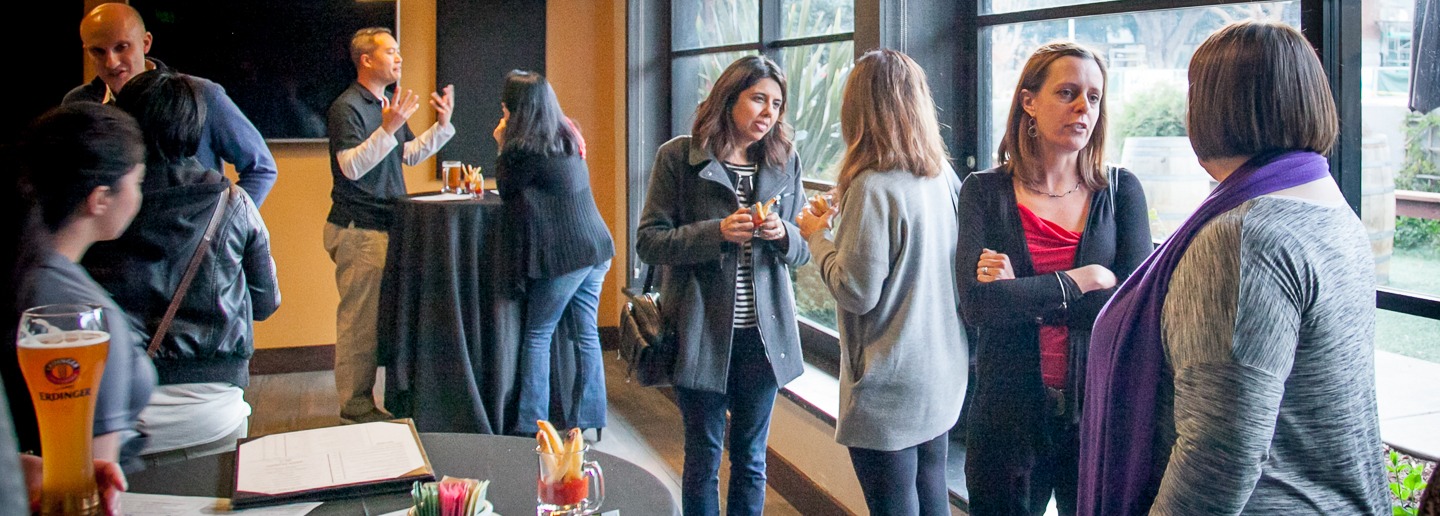
Our 2026 New Year’s Kickoff Party was certainly one for the books! Recently, the EM Community came together in the San Francisco Bay Area to discuss marketing trends, share ideas, and celebrate our successes together.
We launched the party with something intentionally different: a campfire session. Rather than a traditional panel format, this event was designed as an open, peer-led dialogue – one where every voice in the room was invited to participate. Complete with an on-screen ‘campfire’ to set the mood, the inclusivity of our campfire format led to collaborative takeaways and insights from our community of marketing experts.
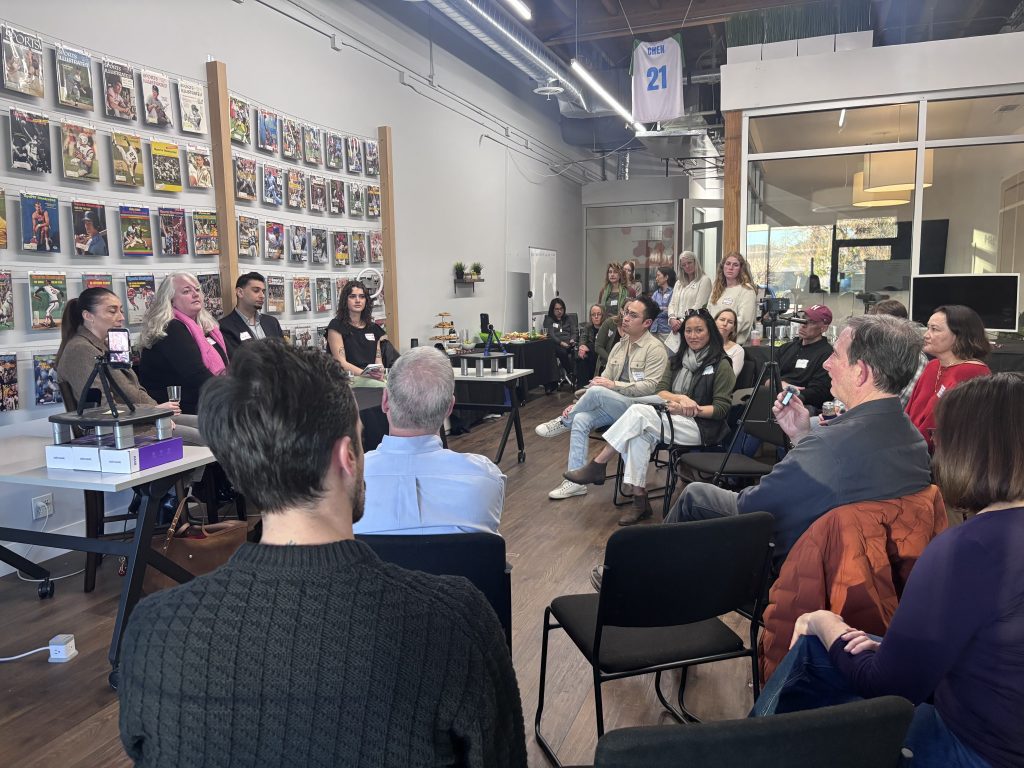
Moderated by recent EM Next Gen Marketing Program participant Alexa Low, the conversation was sparked by EM Marketing consultants Maura Chandler, Stephanie Peterson, and Vishal Sandhu, but quickly expanded to include insights from our marketers across industries, roles, and experience levels.
What emerged was a candid, thoughtful discussion about where marketing has been and where it’s heading in 2026. From the rise of AI to the return to human ingenuity, here are three main takeaways from our campfire session.
1. AI makes workflows easier, but at a cost.
Unsurprisingly, artificial intelligence was a dominant theme throughout the session. Many participants reflected on how AI reshaped their workflows in 2025, from drafting emails and summarizing meetings to accelerating ideation and research. Rather than viewing AI as a replacement for marketers, the consensus was clear: AI works best as an augmentation tool, which removes friction and frees up time for higher-level thinking.
That said, participants also voiced growing concerns about content overload. AI can produce enormous volumes of information quickly, but without human judgment and curation, that output can become overwhelming and inauthentic rather than useful. All participants agreed, efficiency without intention isn’t progress, and consumers can tell when brands rely too heavily on AI.
2. AI fatigue is driving a clear shift back to authenticity.
Alongside AI fatigue, many marketers observed a renewed focus on brand, narrative, and authenticity. After years of over-indexing performance metrics and click-driven content, there’s a noticeable return to foundational questions: “Who are we as a brand?” “What do we stand for?” and “How do we communicate that in a way that feels real?”
Audience members highlighted that consumers are becoming increasingly adept at spotting content that feels generic or overly automated. Whether through thought leadership, community engagement, or more personal brand voices, marketers agreed that trust is built through consistency, transparency, and human connection.
3. Brands are moving toward community conversations and relationships.
Another recurring theme was the shift away from one-way “broadcast” marketing toward two-way conversations. Brands that succeed in 2026 will be those that enter communities thoughtfully, by listening first, contributing meaningfully, and building relationships rather than simply pushing messages.
This same philosophy applied internally as well. Participants discussed how AI-powered tools like meeting notetakers and coaching assistants can support collaboration, accountability, and personal growth, but only when used responsibly and with proper guardrails.
Looking Ahead
As the conversation wrapped, the mood was both reflective and optimistic. While emerging technologies like agentic AI and automation raise important questions around trust, truth, and governance, the group agreed on one thing: marketing’s core remains deeply human.
Technology will continue to evolve rapidly, but empathy, storytelling, and genuine connection will remain the differentiators that matter most across the marketing landscape.
Missed the event? You can watch the video highlights below.
Related
-
 | Charlie Mock
Reigniting Growth in 2026
-
| Ken Chen
EM Marketing Announces New CEO: Charlie Mock
-
-
| Mackenzie Hamilton
Zero to Launch: Building a Brand in 17 Days with Generative AI
-
-
-
| Leilani Yau
Facilitating with Flair: Meet Katie Morell
-
-
| Leilani Yau
How to Build AI into Your Marketing Workflows
-
-
-
-
| Leilani Yau
Championing Cultural Equity: Meet Leslie Fisher
-
-
| Leilani Yau
Blending Strategy and Creativity: Meet Todd Nelson
-
| Leilani Yau
Going and Growing Global: Meet Stephanie Peterson
-
-
| Leilani Yau
Savvy Storytelling: Meet Luchina Fisher
-
| Leilani Yau
Content with Consulting: Meet Moira Alexander
-
| Leilani Yau
Business Development for Consultants
-
| Leilani Yau
Living the Lifecycle: Meet Carole Strickland
-
| Leilani Yau
Primed for Amazon Marketing: Meet Yvonne Schmidt
-
| Katherine Gustafson
Demystifying Account-Based Marketing: What It Is and What It Means for You
-
| Katherine Gustafson
How Marketing Teams Survive and Thrive in 2023 [Webinar]
-
| Leilani Yau
Trending on Social Media: Meet Ali Čargonja
-
-
| Katherine Gustafson
Mitch Larson Talks Consulting, Marketing, and Client Relationships
-
| Leilani Yau
New Year, New Manager? Tips to Handle What’s Next
-
| Katherine Gustafson
Ty Wang Talks Sustainability and Trying New Things
-
| Katherine Gustafson
My First Layoff: Tales of Disappointment — And Relief
-
| Leilani Yau
Journalist Turned Product Marketer: Meet Andrew Albert
-
| Katherine Gustafson
Damon Sununtnasuk Talks Work-From-Anywhere and Marketing in the Crypto Space
-
| Leilani Yau
Putting People First: Meet Jackie Tran
-
| Katherine Gustafson
How 5 Marketing Leaders Are Steering Their Teams in Turbulent Times
-
| Leilani Yau
The Write Stuff: Meet Ken Grobe
-
| Katherine Gustafson
UC Berkeley’s Dr. Sahar Yousef Tells Us How to Avoid Burnout
-
| Katherine Gustafson
Third Thursday Talks | Molly St. Louis, “3 Types of Content: Earned, Owned, and Branded”
-
-
| Leilani Yau
Living an Eventful Life: Meet Monica Ortiz
-
| Leilani Yau
Focused and Fearless: Meet Liz Tobiason
-
| Mackenzie Hamilton
Third Thursday Talks | Kristen Matthews on Influencer Marketing
-
-
| Mackenzie Hamilton
Third Thursday Talks | Adam Duran, “Humble, Hungry, and Smart”
-
| Katherine Gustafson
How to Understand, Prevent, and Recover From Burnout, a Webinar with Keshawn Hughes
-
| Leilani Yau
Mover and Shaker: Meet Amelia Clay
-
| Leilani Yau
Link to Success: Meet Alex Cwalinski
-
| Leilani Yau
Marketing + Brain Power: Meet Keshawn Hughes
-
| Leilani Yau
Developing Deep Connections: Meet Sandeepa Nayak
-
| Leilani Yau
Diligent Digital Marketer: Meet Mollison Daniel
-
| Leilani Yau
Flexing A Marketing Lifestyle: Meet Laura Wilton
-
| Leilani Yau
True Marketing Maven: Meet Colleen Atherton
-
| Leilani Yau
Sold on Consulting: Meet Michael Macon
-
| Leilani Yau
Marketing and Making Music: Meet Mike Boxer
-
-
| Leilani Yau
Marketing with Purpose and Passion: Meet Ileana Street
-
| Leilani Yau
Maximizing Marketing Impact: Meet Cathy Won
-
| Leilani Yau
Embracing Entrepreneurship: Meet Tricia McKinney
-
| Leilani Yau
A Vocation of Voice and Video: Meet Bud Anderson
-
| Leilani Yau
Charting a Course in Consulting: Meet Michelle Harden
-
| Leilani Yau
Digital Marketer On The Rise: Meet Chris Stone
-
-
-
| Jessica Smith
How to Sustain Your Energy to Avoid or Recover from Burnout
-
-
| Leilani Yau
Driving Positive Social Impact: Meet Kelly Saturno
-
| Leilani Yau
Launching Products and Chasing Storms: Meet Jim Conley
-
-
| Leilani Yau
Bringing Brands to Life: Meet Kristine Duffy
-
| Leilani Yau
Designing a Rewarding Life: Meet Kyle Courtright
-
| Leilani Yau
Doing the Deep Dive Into Data: Meet Sam Fintz
-
-
-
-
| Leilani Yau
Growth Marketing and Analytics Wiz: Meet Mitch Larson
-
| Leilani Yau
Finding a Rewarding Balance: Meet Gretchen Harding
-
| Lynn Bruno
Consultant Confidential: Saying No and I Don’t Know
-
| Lynn Bruno
Consultant Confidential: How to Market Yourself
-
| Leilani Yau
Making Her Way With Words: Meet Arianna Dogil
-
-
| Leilani Yau
Freelancer By Design: Meet Lindsey Obermeier
-
-
| Leilani Yau
Jessica Smith: Raising the Bar and Lifting People Up
-
| Leilani Yau
Ruben van Engelenburg: Tenacious, Driven Problem Solver
-
| Leilani Yau
Ursula Daly: Bring on the Marketing Challenge
-
| Justin Liszanckie
Client Project: Website Redesign for Wurl
-
| Leilani Yau
Corrina Reff: Designing at Peak Performance
-
| Leilani Yau
Jocelyn Rasekhi: Bringing Marketing to Vivid Life
-
| Leilani Yau
Daniel Gehant: Helping Clients Shine Online
-
| Leilani Yau
Colleen McCarthy: Driven to Serve Clients and Community
-
| Leilani Yau
Lori Reddy: Project Precision, People Person
-
-
| Leilani Yau
Swati Gohri: Design Is Her Way of Life
-
| Kevin Cranfill
Pam Franklin: Going the Distance for Small Business
-
| Leilani Yau
Next-Gen Consultants: Meet Alexis Keenan
-
| Justin Liszanckie
Client Project: Best of Boroughs Ad Campaign Design for Neustar
-
| Kevin Cranfill
Patrick Lundbom: SUP Enthusiast, Big Picture Digital Marketer
-
| Leilani Yau
Summer Vacation Contest Winners
-
| Leilani Yau
Next-Gen Consultants: Meet Sawdie Fernandez-Singh
-
-
| Leilani Yau
Next-Gen Consultants: Meet Justin Liszanckie
-
| Leilani Yau
Next-Gen Consultants: Meet Lucy Frye
-
| Justin Liszanckie
Client Project: Website Redesign for SnapStrat
-
| Leilani Yau
Next-Gen Consultants: Meet Kendra Perry
-
| Justin Liszanckie
Client Project: Website Redesign for Precision Counts
-
-
| Leilani Yau
Community Day: A Chance to Meet, Mingle and Learn
-
| Justin Liszanckie
Client Project: Design Services for Intuit’s Firm of the Future
-
-
| Leilani Yau
Client Project: Illuminate Education Product Sheets
-
| Ken Chen
Community Matters
-
-
-
| Leilani Yau
EM Marketing Kicks Off 2017 Right
-
| Justin Liszanckie
Meet Kevin Cranfill: A Curious, Collaborative Creative with Content to Burn
-
| Justin Liszanckie
Meet Lisa Ramirez: A Versatile Marketer Focused on Results
-
| Justin Liszanckie
Meet Nancy Keith Kelly: A Strategic, Self-Starting, Team-Building Adventurer
-
-
| Justin Liszanckie
Meet Rachel Plasse: An Indispensable, Integrated Marketing Professional
-
| Justin Liszanckie
Meet Ali Ward: An Accomplished, Results-Oriented Marketer
-
| Justin Liszanckie
Meet Karen Howard: A Strategic Thinker With a Can-Do Attitude
-
| Justin Liszanckie
Meet Jane Markell: An Immersive Marketer Who Gets Results
-
| Justin Liszanckie
Meet Jim Herbold: A Passionate (and Successful) Go-To-Market Leader
-
| Justin Liszanckie
Meet Tara Verner: A Proficient Problem Solver
-
| Jessaline Tuason
EM Marketing Goes to TEDxSF
-
| Justin Liszanckie
Meet Karen Paluska: A Big Picture Marketing Strategist Who Executes
-
| Justin Liszanckie
Meet Wens Gerdyman: A Conceptual Product Manager & Thinker
-
| Justin Liszanckie
Meet Jen Roop: An Investigative Problem Solver
-
| Justin Liszanckie
Meet Tricia McKinney: A Creative, Driven, & Outside-the-Box Thinker
-
| Justin Liszanckie
Meet Gretchen Harding: An Analytical & Curious Navigator
-
| Justin Liszanckie
EM Marketing Lunch & Learn: A Resonant Afternoon
-
| Justin Liszanckie
Meet Jennifer Stansbury: A Collaborative & Results-Driven Communicator
-
| Justin Liszanckie
EM Marketing New Year's Party – Hope Your 2015 Is off to a Good Start!
-
| Justin Liszanckie
Meet Audrey Tracy: A Jill-of-All Trades
-
| Justin Liszanckie
Meet Ruta Jaks: A Detail-Oriented & Diverse Skill Set
-
| Ken Chen
What Does EM Stand For?