How to Build AI into Your Marketing Workflows


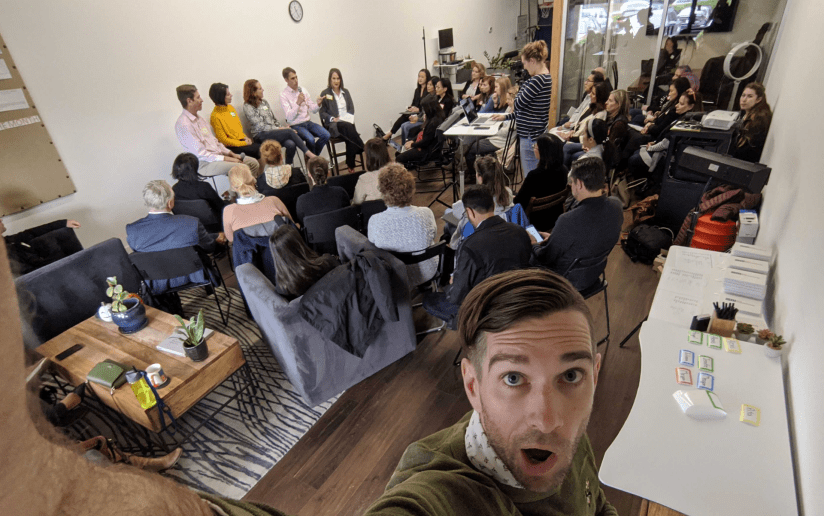
Artificial intelligence is transforming how marketers work, but knowing where to start can feel overwhelming. At a recent EM Lunch & Learn, AI consultant Damon Brennan shared practical ways to incorporate AI into everyday workflows.
With a background in video production and program management, Damon now helps companies implement AI through training, strategy sessions, AI-readiness audits, and automation creation. Be sure to watch the recording of the live demos below, but first, Damon has covered several foundational elements about AI.
Understanding AI: Power in Pattern Recognition
At its core, AI excels at pattern recognition rather than storing facts like a traditional database. It’s been trained on massive amounts of content from the internet and also marketing campaigns, blog posts, ads, and customer communications.
When you ask AI to write an email, it’s not pulling from a saved template. Instead, it’s building a response word by word, predicting what sounds right based on everything it learned during training.
Damon says, “It knows how language works and what phrases go together. It knows how to sound confident, persuasive, or empathetic.” This makes AI particularly effective for many marketing use cases as you’ll see below.
The Big 3 LLMs for Marketers
Marketers should consider these three main large language models (LLMs):
- ChatGPT offers the best all-around experience, with particularly strong image generation capabilities that allow for iterative art direction.
- Claude often produces the highest quality writing and coding outputs.
- Gemini integrates seamlessly with Google tools and includes access to advanced video generation through Veo 3.
As we learned from fellow AI consultant Thomas Smith, one might consider being model agnostic as the LLMs’ capabilities are constantly changing and one-upping each other. Damon’s recommendation? Pick one, pay for the full version, and start experimenting. All three cost around $20 per month for premium features. The free versions have limitations that make serious experimentation difficult.
The key is viewing AI as a powerful creative partner rather than a replacement for human creativity and judgment.
AI Use Cases for Marketing Teams
What are LLMs especially good at for marketing?
- Content Ideation and Drafting. AI excels at generating blog post outlines, email drafts, social media copy, and ad variations. You can request multiple options—ask for 5 headlines or 100 product names. AI won’t get annoyed by any request you make.
- Audience Personalization at Scale. Need to adjust messaging for different audiences? AI can easily modify content for various personas or funnel stages. Give it a piece written for Millennials and ask it to adapt the tone for Gen Z. It handles these shifts naturally with proper context.
- Research Summarization and Synthesis. AI can process large amounts of information quickly, turning complex marketing reports into executive summaries or analyzing customer reviews to identify common pain points and sentiment patterns.
- Campaign Optimization. Generate multiple CTA options, test ad variations, or brainstorm improvement ideas.
- Brainstorming and Creative Jam Sessions. Use AI as a thought partner to generate ideas for events, themes, taglines, and names. For example, you could prompt AI: “Give me 10 quirky names for a new B2B podcast” but it’s up to you to provide the “taste” – what actually sounds good.
Prompt Structure: The New Marketing Superpower
Good prompting is like writing a creative brief. Include these key elements:
- Context: Define the role you want AI to play and the audience. “You’re a content strategist writing for B2B SaaS founders.”
- Task: Clearly state what you want accomplished. “Write a LinkedIn post summarizing a new product launch.”
- Constraints: Specify format, tone, word count, or style requirements. Do you want bullets, paragraphs, or a specific voice? Example: “Make it friendly and under 150 words.”
- Examples: Feed AI as many examples as possible – specific outputs like brand voice, other blog posts, emails, articles, etc. – it can mimic them very well.
Remember to iterate for perfection. Prompt, review, refine, and reprompt until you achieve the desired result.
Things to Consider When Using LLMs
To be sure, AI can “hallucinate” or generate outputs that are incorrect, nonsensical, or completely fabricated, despite appearing accurate and plausible. Here are a few considerations when using LLMs to generate marketing content.
- Privacy and Data Protection. Be cautious with sensitive information. While you can adjust settings to prevent training on your data, avoid inputting customer data or personally identifiable information into public AI tools.
- Human Oversight is Essential. Always keep a human in the loop. AI can be confident but completely wrong, and maintaining brand voice requires human judgment. Consider AI output as a strong first draft that needs human refinement rather than using it as final copy.
- Legal and Ethical Awareness. Companies need clear governance around AI use, including disclosure policies for AI-generated content. Many organizations are establishing guidelines about when and how to acknowledge AI assistance in their materials.
Damon’s ChatGPT Demo Highlights
Damon brought these concepts to life using a fictional company called “Nest Together,” a modern money app designed specifically for couples to plan, share goals, and track expenses together. Here’s what he demonstrated using ChatGPT:
- Campaign Brief Creation. (Watch at 16:56) Using context, raw meeting notes, and content examples, Damon prompted: “You’re a senior marketing strategist. Based on the following notes from a strategy call, generate a clear, client-ready one-page campaign brief for a fall product launch. Write in a confident, warm tone, not too corporate. Avoid generic marketing speak or vague fluff.” Within seconds, AI produced a two-page brief including campaign overview, audience insights, key messaging, sample taglines and headlines, KPIs, and creative notes. AI is great for this use case since it’s only to give direction to someone else rather than using it in public communications.
- Logo Design with Iteration. (Watch at 20:02 – 26:49) Next, he demonstrated ChatGPT’s image generation by creating a logo for Nest Together. You’ll need to budget more time for this to be created. His prompt specified: “You’re a graphic designer creating a logo for a company called Nest Together” along with detailed requirements such as color palette and design style, plus he attached the campaign brief. Damon showed how you can refine prompts, request variations, and even ask ChatGPT to help you write better prompts by having it ask you clarifying questions. You can also create threads so you can maintain different versions of prompting and outputs.
- Instagram Ad Generation. (Watch at 26:55) Building on the brief and logo, Damon then created an Instagram ad by feeding ChatGPT both documents and requesting specific ad copy, headlines, and visual concepts. Damon cautioned when using AI-generated images, as there are telltale signs savvy users can spot. Consider what your customer may think when seeing them. Alternatively, you could use it to help you direct a designer to create the final images for you.
- Deep Research in Action. (Watch at 33:53) For a fictional U.S. electric bike company entering the Canadian market, Damon showed a market analysis that took AI eight minutes to finish, searching 23 sources, and performing 73 individual queries. The resulting report included market overview, customer segments, competitive landscape, and pricing strategies – complete with proper source citations. This level of research would typically require hours of manual work and multiple subscriptions to industry reports.
Looking Ahead: Automation and AI Agents
For advanced users, Damon introduced automation possibilities using tools like Zapier and Make to connect AI with existing workflows. Imagine automatically generating campaign briefs from meeting transcripts, then creating project tasks in Asana—all without manual intervention.
The future points toward AI agents that can take actions on your behalf, moving beyond simple question-and-answer interactions to actually completing tasks across multiple systems.
How to Get Started with AI
The best way to learn AI is by experimenting. As you become comfortable with prompting techniques, gradually expand to more complex applications like research synthesis and campaign development.
The key is viewing AI as a powerful creative partner rather than a replacement for human creativity and judgment. When used thoughtfully, it can dramatically accelerate marketing workflows while maintaining the strategic thinking and brand voice that only humans can provide.
Did you miss the live event? Watch the full session below. After you view the recording, we’d love to hear your feedback!
Editor’s Note: AI-assisted, human-edited blog.

Related
-
 | Charlie Mock
Reigniting Growth in 2026
-
| Oona Linde
EM Campfire Conversations: Marketing Trends for 2026
-
| Ken Chen
EM Marketing Announces New CEO: Charlie Mock
-
-
| Mackenzie Hamilton
Zero to Launch: Building a Brand in 17 Days with Generative AI
-
-
-
| Leilani Yau
Facilitating with Flair: Meet Katie Morell
-
-
-
-
-
| Leilani Yau
Championing Cultural Equity: Meet Leslie Fisher
-
-
-
| Leilani Yau
Blending Strategy and Creativity: Meet Todd Nelson
-
| Kevin Cranfill
The Key to Raising Your Brand Storytelling Game
-
| Leilani Yau
Going and Growing Global: Meet Stephanie Peterson
-
| Monica Ortiz
Give Fall Event Planning the Grace of Time
-
-
| Leilani Yau
Savvy Storytelling: Meet Luchina Fisher
-
| Leilani Yau
Content with Consulting: Meet Moira Alexander
-
| Leilani Yau
Business Development for Consultants
-
| Leilani Yau
Living the Lifecycle: Meet Carole Strickland
-
| Leilani Yau
Primed for Amazon Marketing: Meet Yvonne Schmidt
-
| Katherine Gustafson
Demystifying Account-Based Marketing: What It Is and What It Means for You
-
| Katherine Gustafson
How Marketing Teams Survive and Thrive in 2023 [Webinar]
-
| Leilani Yau
Trending on Social Media: Meet Ali Čargonja
-
-
| Katherine Gustafson
Mitch Larson Talks Consulting, Marketing, and Client Relationships
-
| Leilani Yau
New Year, New Manager? Tips to Handle What’s Next
-
| Katherine Gustafson
Ty Wang Talks Sustainability and Trying New Things
-
| Katherine Gustafson
My First Layoff: Tales of Disappointment — And Relief
-
| Leilani Yau
Journalist Turned Product Marketer: Meet Andrew Albert
-
| Katherine Gustafson
Damon Sununtnasuk Talks Work-From-Anywhere and Marketing in the Crypto Space
-
| Leilani Yau
Putting People First: Meet Jackie Tran
-
| Katherine Gustafson
How 5 Marketing Leaders Are Steering Their Teams in Turbulent Times
-
| Leilani Yau
The Write Stuff: Meet Ken Grobe
-
| Katherine Gustafson
UC Berkeley’s Dr. Sahar Yousef Tells Us How to Avoid Burnout
-
| Katherine Gustafson
Third Thursday Talks | Molly St. Louis, “3 Types of Content: Earned, Owned, and Branded”
-
-
| Leilani Yau
Living an Eventful Life: Meet Monica Ortiz
-
| Leilani Yau
Focused and Fearless: Meet Liz Tobiason
-
| Mackenzie Hamilton
Third Thursday Talks | Kristen Matthews on Influencer Marketing
-
-
| Mackenzie Hamilton
Third Thursday Talks | Adam Duran, “Humble, Hungry, and Smart”
-
| Katherine Gustafson
How to Understand, Prevent, and Recover From Burnout, a Webinar with Keshawn Hughes
-
| Leilani Yau
Mover and Shaker: Meet Amelia Clay
-
| Leilani Yau
Link to Success: Meet Alex Cwalinski
-
| Leilani Yau
Marketing + Brain Power: Meet Keshawn Hughes
-
| Leilani Yau
Developing Deep Connections: Meet Sandeepa Nayak
-
| Leilani Yau
Diligent Digital Marketer: Meet Mollison Daniel
-
| Leilani Yau
Flexing A Marketing Lifestyle: Meet Laura Wilton
-
| Leilani Yau
True Marketing Maven: Meet Colleen Atherton
-
| Leilani Yau
Sold on Consulting: Meet Michael Macon
-
| Leilani Yau
Marketing and Making Music: Meet Mike Boxer
-
-
| Leilani Yau
Marketing with Purpose and Passion: Meet Ileana Street
-
| Leilani Yau
Maximizing Marketing Impact: Meet Cathy Won
-
-
| Tricia McKinney
9 Project Management Best Practices for Creating Video Content
-
| Lynn Bruno
How to Make Video Content Production Sustainable
-
| Leilani Yau
Embracing Entrepreneurship: Meet Tricia McKinney
-
| Barrett Rudich
How to Bring More Value to Your Next Video Project
-
| Leilani Yau
A Vocation of Voice and Video: Meet Bud Anderson
-
| Leilani Yau
Charting a Course in Consulting: Meet Michelle Harden
-
| Leilani Yau
Digital Marketer On The Rise: Meet Chris Stone
-
-
-
| Jessica Smith
How to Sustain Your Energy to Avoid or Recover from Burnout
-
-
| Leilani Yau
Driving Positive Social Impact: Meet Kelly Saturno
-
| Leilani Yau
Launching Products and Chasing Storms: Meet Jim Conley
-
-
| Leilani Yau
Bringing Brands to Life: Meet Kristine Duffy
-
| Leilani Yau
Designing a Rewarding Life: Meet Kyle Courtright
-
| Leilani Yau
Doing the Deep Dive Into Data: Meet Sam Fintz
-
-
-
-
| Leilani Yau
Growth Marketing and Analytics Wiz: Meet Mitch Larson
-
| Leilani Yau
Finding a Rewarding Balance: Meet Gretchen Harding
-
| Lynn Bruno
Consultant Confidential: Saying No and I Don’t Know
-
| Lynn Bruno
Consultant Confidential: How to Market Yourself
-
| Leilani Yau
Making Her Way With Words: Meet Arianna Dogil
-
-
| Leilani Yau
Freelancer By Design: Meet Lindsey Obermeier
-
-
| Leilani Yau
Jessica Smith: Raising the Bar and Lifting People Up
-
| Leilani Yau
Ruben van Engelenburg: Tenacious, Driven Problem Solver
-
| Leilani Yau
Ursula Daly: Bring on the Marketing Challenge
-
| Justin Liszanckie
Client Project: Website Redesign for Wurl
-
| Leilani Yau
Corrina Reff: Designing at Peak Performance
-
| Leilani Yau
Jocelyn Rasekhi: Bringing Marketing to Vivid Life
-
| Leilani Yau
Daniel Gehant: Helping Clients Shine Online
-
| Leilani Yau
Colleen McCarthy: Driven to Serve Clients and Community
-
| Leilani Yau
Lori Reddy: Project Precision, People Person
-
-
| Leilani Yau
Swati Gohri: Design Is Her Way of Life
-
| Kevin Cranfill
Pam Franklin: Going the Distance for Small Business
-
| Leilani Yau
Next-Gen Consultants: Meet Alexis Keenan
-
| Justin Liszanckie
Client Project: Best of Boroughs Ad Campaign Design for Neustar
-
| Kevin Cranfill
Patrick Lundbom: SUP Enthusiast, Big Picture Digital Marketer
-
| Leilani Yau
Summer Vacation Contest Winners
-
| Leilani Yau
Next-Gen Consultants: Meet Sawdie Fernandez-Singh
-
-
| Karl Pontau
5 Ways You Can Use Motion Graphics
-
| Leilani Yau
Next-Gen Consultants: Meet Justin Liszanckie
-
-
| Leilani Yau
Next-Gen Consultants: Meet Lucy Frye
-
| Justin Liszanckie
Client Project: Website Redesign for SnapStrat
-
| Karl Pontau
Inbound Marketing: How Motion Graphics Improves your ROI
-
| Leilani Yau
Next-Gen Consultants: Meet Kendra Perry
-
| Justin Liszanckie
Client Project: Website Redesign for Precision Counts
-
-
| Leilani Yau
Community Day: A Chance to Meet, Mingle and Learn
-
| Justin Liszanckie
Client Project: Design Services for Intuit’s Firm of the Future
-
-
| Leilani Yau
Client Project: Illuminate Education Product Sheets
-
| Ken Chen
Community Matters
-
-
-
| Justin Liszanckie
Delightful Design Trends in 2017: Bold Minimalism
-
| Leilani Yau
EM Marketing Kicks Off 2017 Right
-
| Nicole Hanusek
Build Your Website in WordPress
-
| Justin Liszanckie
Meet Kevin Cranfill: A Curious, Collaborative Creative with Content to Burn
-
| Justin Liszanckie
Meet Lisa Ramirez: A Versatile Marketer Focused on Results
-
| Justin Liszanckie
Meet Nancy Keith Kelly: A Strategic, Self-Starting, Team-Building Adventurer
-
-
| Justin Liszanckie
Meet Rachel Plasse: An Indispensable, Integrated Marketing Professional
-
| Justin Liszanckie
Meet Ali Ward: An Accomplished, Results-Oriented Marketer
-
| Justin Liszanckie
Meet Karen Howard: A Strategic Thinker With a Can-Do Attitude
-
| Justin Liszanckie
Meet Jane Markell: An Immersive Marketer Who Gets Results
-
| Justin Liszanckie
Meet Jim Herbold: A Passionate (and Successful) Go-To-Market Leader
-
| Justin Liszanckie
Meet Tara Verner: A Proficient Problem Solver
-
| Jessaline Tuason
EM Marketing Goes to TEDxSF
-
| Justin Liszanckie
Meet Karen Paluska: A Big Picture Marketing Strategist Who Executes
-
| Justin Liszanckie
Meet Wens Gerdyman: A Conceptual Product Manager & Thinker
-
| Justin Liszanckie
Meet Jen Roop: An Investigative Problem Solver
-
| Justin Liszanckie
Meet Tricia McKinney: A Creative, Driven, & Outside-the-Box Thinker
-
| Justin Liszanckie
Meet Gretchen Harding: An Analytical & Curious Navigator
-
| Justin Liszanckie
EM Marketing Lunch & Learn: A Resonant Afternoon
-
| Justin Liszanckie
Meet Jennifer Stansbury: A Collaborative & Results-Driven Communicator
-
| Justin Liszanckie
EM Marketing New Year's Party – Hope Your 2015 Is off to a Good Start!
-
| Justin Liszanckie
Meet Audrey Tracy: A Jill-of-All Trades
-
| Justin Liszanckie
Meet Ruta Jaks: A Detail-Oriented & Diverse Skill Set
-
| Nicole Hanusek
Why You Should Use Responsive Web Design
-
| Ken Chen
What Makes a Landing Page Effective?
-
| Nicole Hanusek
The Best Websites: Functionality, Design, Usability
-
| Ken Chen
What Does EM Stand For?